The Question That Broke Me
Here's a question that makes most people squirm: how much did you spend yesterday? Not a rough estimate - the exact number. When my accountant asked me this during a routine check-in, I froze. I couldn't even get within 30% of the real number.
That's when she showed me my actual spending: $3,247 in credit card debt, $280/month on subscriptions I forgot I had, and $420/month on food delivery alone. I literally gasped. I was bleeding money without even knowing it.
The Invisible Drain: Why You're Poorer Than You Think
Studies show the average person underestimates their monthly spending by 20-40%. This gap between perceived and actual spending is what I call the invisible drain. It's the coffee you bought without thinking, the subscription you forgot about, the "small" impulse purchase you justified in the moment.
Individually, these expenses are insignificant. Collectively, they can represent thousands of dollars per year leaking from your financial life. I know because I calculated mine: $7,320 per year in unnecessary spending. That's a vacation. That's an emergency fund. That's freedom.

The difference between financial chaos and financial clarity
Why Daily Tracking Changes Everything
Most budgeting advice tells you to create a monthly budget and review it at month-end. This fails for the same reason weighing yourself once a month fails - the feedback loop is too slow. By the time you realize you've overspent, the damage is done.
PixMixy's finance tracker flipped this for me. Here's why daily tracking works:
- Immediate feedback: Every expense is logged in real-time. Seeing my daily net update to -$47 after an impulse purchase created a micro-moment of awareness that changed my behavior.
- Pattern recognition: After one week, I spotted patterns. I spent 3x more on Fridays. My food expenses were double what I thought. Weekend brunches were destroying my budget.
- The pause effect: Simply having to LOG a purchase made me reconsider whether I really needed it. That 10-second pause between impulse and action? That's where discipline lives.

I Will Teach You to Be Rich by Ramit Sethi
This book changed how I think about money. Unlike most finance books that preach deprivation,
$14.99
Check Price on Amazon →My Setup: The 5-Category System
Forget complex spreadsheets with 30 categories. I use 5:
- Essentials: Rent, utilities, groceries, transport
- Food Out: Restaurants, coffee, delivery
- Growth: Gym, courses, books, health
- Fun: Entertainment, going out, hobbies
- Savings: Emergency fund, investments
The key is logging expenses immediately. Not at end of day. Right when it happens. Open PixMixy, tap the amount, categorize, done. 10 seconds. The habit became automatic within a week.
The Daily Budget Trick
Here's the strategy that transformed my finances: set a daily spending target. Take your monthly income, subtract fixed costs, subtract savings goal, divide by 30. That's your daily discretionary budget.
Mine was $35/day. Every day in PixMixy, I could see exactly where I stood. Under $35? Green. Over? Red. It made the abstract concept of "monthly budget" concrete and immediate. Some days I'd come in at $12. Other days $60. But the weekly average told the real story.
"A budget is telling your money where to go instead of wondering where it went." - Dave Ramsey
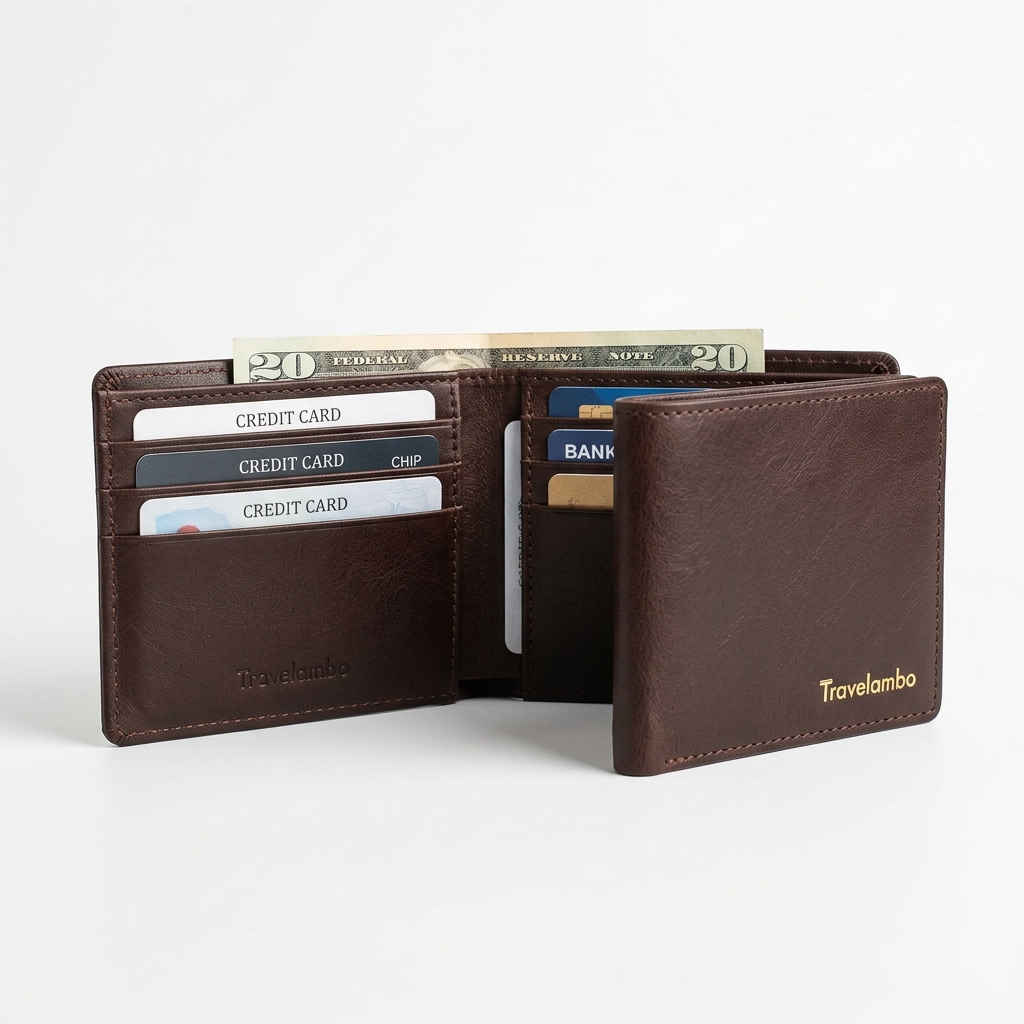
Travelambo RFID Blocking Slim Wallet
I switched to a slim wallet specifically to stop carrying unnecessary cards. Fewer cards = fewer impulse purchases.
$34.99
Check Price on Amazon →"PixMixy's finance tracker showed me I was spending $180/month on food delivery. I didn't believe it until I saw 30 days of data staring back at me. Cut it to $40/month and put the difference into savings. That's $1,680/year."
The Compound Effect of Small Savings
Saving $15/day might not feel life-changing. But let's do the math:
- $15/day = $450/month = $5,400/year
- Invested at 8% annual return over 10 years: ~$82,000
- Over 20 years: ~$266,000
That's the power of daily financial discipline made visible through PixMixy. Every day you stay under your target, you're building your future. Check out how I paid off $5,000 in debt using this exact system.
"Before PixMixy, I had no idea I was spending $95/month on subscriptions. Spotify, Netflix, Hulu, two meal kit services, three news apps. Cancelled everything I didn't actively use. Saved $62/month instantly."
Start With Your Last Three Expenses
Financial transformation doesn't require a high income - it requires awareness and discipline. Open PixMixy's finance module right now and log your last three expenses. That's it. That's the start. Combine it with a solid 30-day tracking habit and watch how quickly your relationship with money changes.
