The Scale Said I Gained 3 Pounds. I Lost 2 Inches Off My Waist.
Six weeks into my training program, I stepped on the scale and saw a number that almost made me quit. Three pounds heavier than when I started. I'd been tracking my workouts, eating right, sleeping well, and here was this little digital screen telling me none of it mattered.
Except it did matter. Because that same week, I pulled out a tape measure and discovered I'd dropped two full inches off my waist. My jeans fit differently. My shirts fit differently. I could see actual definition in my shoulders for the first time. The scale was lying to me, and I almost let it win.
If you want to know how to track fitness progress in a way that actually reflects reality, you need to throw out the idea that weight is the ultimate metric. It's one data point in a much bigger picture, and often, it's the least useful one.
Why the Scale Lies to You (And Why You Keep Believing It)
Let me be blunt: your body weight fluctuates by 2 to 5 pounds every single day. That's not fat gain. That's not muscle loss. That's biology. Water retention from sodium intake, glycogen storage after a carb-heavy meal, hormonal shifts throughout the month, even how much you slept last night - all of it shows up on the scale.
Here's what really gets people: muscle is denser than fat. A pound of muscle takes up roughly 18% less space than a pound of fat. So if you're strength training and eating enough protein, you might be simultaneously losing fat and gaining muscle. The scale stays flat or goes up. Your body is actually transforming. You just can't see it through that one number.
Dr. Kevin Hall's research at the National Institutes of Health demonstrated that body composition changes - the ratio of lean mass to fat mass - are far more predictive of metabolic health outcomes than total body weight. His team found that people who lost significant fat while gaining muscle showed improved insulin sensitivity, even when their scale weight barely moved.
Time of day matters too. Weigh yourself at 7 AM and again at 9 PM, and you'll see a difference of 2 to 4 pounds. Food sitting in your digestive system, water consumed throughout the day, even the weight of the clothes you're wearing - it all adds up. If you're comparing a morning weigh-in from Monday to an evening weigh-in on Friday, you're comparing two completely different measurements.
Five Metrics That Actually Tell the Truth About Your Progress
Once I stopped obsessing over weight, I started tracking things that actually correlated with how I looked and felt. These are the five metrics I log in PixMixy every week, and they've completely changed how I think about progress.
1. Body Measurements
Waist, chest, hips, arms, and thighs. I measure every Sunday morning, same time, same conditions. Over 12 weeks, my waist went from 36 inches to 33.5 inches while my arms went from 13.5 to 14.5 inches. The scale? It moved 2 pounds total. Without those measurements, I would have assumed nothing was happening.
The trick is consistency in how you measure. Same spot on your body, same tension on the tape, same time of day. A flexible body tape measure is worth its weight in gold here - the spring-loaded kind that applies consistent pressure every time.
2. Strength Personal Records
If you lifted 95 pounds on the bench press last month and you're pressing 135 today, something is working. Your muscles are adapting, your nervous system is getting more efficient, and your body is objectively stronger. Strength PRs are one of the most reliable indicators of progress because they can't be faked or distorted by water weight.
I log every working set in PixMixy's fitness tracker. Not just the weight, but reps and how it felt. "135x8, felt smooth, could've done 2 more" tells me way more than the scale ever could.
3. Energy Levels and Sleep Quality
This one is subjective, but that's exactly why it matters. I rate my energy on a 1-to-10 scale every evening. When I first started training, I was dragging through afternoons at a 4 or 5. Eight weeks in, I was consistently hitting 7s and 8s. That upward trend showed me my body was adapting to the training load - recovering faster, sleeping deeper, waking up more refreshed.
4. Consistency Percentage
How many planned workouts did you actually complete this week? How many days did you hit your protein target? PixMixy tracks this automatically through the habit module. My first month, I hit about 65% consistency. By month three, I was at 89%. That climb from 65 to 89 percent didn't show up on the scale, but it showed up in every other metric.
5. Progress Photos
Photos don't lie, and they don't fluctuate with sodium intake. Take one front-facing and one side-profile photo every two weeks. Same lighting, same location, same time of day. You won't notice daily changes in the mirror because you see yourself every day. But compare week 1 to week 8 side by side, and the difference can be dramatic.
I keep a dedicated album in my phone, timestamped and organized. Every two weeks, same bathroom, same overhead light, same pair of shorts. It sounds vain. It's actually one of the most data-driven things you can do.
How to Build a Fitness Logging Habit That Actually Sticks
Here's where most people fail: they try to track everything on day one. Calories, macros, steps, sleep hours, body weight, measurements, workout splits, heart rate zones. That's not tracking - that's a full-time job. And you'll abandon it within two weeks.
Instead, start with what I call the "3-Metric Start." Pick three things to track and commit to logging them for 30 days straight. Mine were: workout completed (yes/no), one body measurement (waist), and daily protein (hit or miss). That's it. Three data points, less than 60 seconds of logging per day.
After those 30 days, the habit was locked in. I added measurements for arms and chest in month two. Strength PRs in month three. By then, logging felt like brushing my teeth - automatic, effortless, and slightly uncomfortable if I skipped it.
PixMixy's daily check-in screen makes this stupidly simple. You open the app, tap into the fitness module, and log your numbers. No complicated interfaces, no syncing with five different devices. Just you and your data, 30 seconds a day.
James Clear, author of Atomic Habits, puts it perfectly: "You don't rise to the level of your goals. You fall to the level of your systems." A simple tracking system that you actually use beats a complex one that collects dust.
Reading Your Own Data: What the Patterns Tell You
After 30 days of consistent tracking, you'll start seeing patterns that no single weigh-in could ever reveal. Here's what to look for.
Trend Lines Over Snapshots
Any single data point is noise. What matters is the trend over 4 to 6 weeks. My waist measurement bounced between 34.5 and 35 for three weeks before it dropped to 34 and stayed there. If I'd only checked once at the wrong time, I would've missed the downward trend entirely.
Strength and Measurement Correlation
When my bench press went up by 20 pounds over six weeks, my chest measurement increased by half an inch. My waist, meanwhile, dropped by an inch. That's the body recomposition sweet spot: gaining muscle in the places you're training while losing fat from your midsection. The scale saw none of this. My logs saw all of it.
Energy Dips and Recovery Patterns
I noticed that every time I had three consecutive days of high-intensity training, my energy on day four cratered to a 4. Once I spotted that pattern, I restructured to two hard days followed by one active recovery day. My weekly energy average went from 6.2 to 7.4 within two weeks. That's not a number I would've caught without consistent logging.
Consistency Predicts Everything
The weeks where I logged 90%+ consistency always correlated with measurable progress the following month. The weeks where I dipped below 70% always preceded plateaus. Consistency isn't just a feel-good metric. It's the leading indicator that predicts whether every other number goes up or down.

Body measurements tell the real story - not the number on the scale
The Tools That Made My Tracking Actually Work
I've tested a lot of fitness equipment and tracking gear over the past two years. Most of it was unnecessary. But two products became absolute staples in my routine, and I genuinely believe they contributed to my consistency.
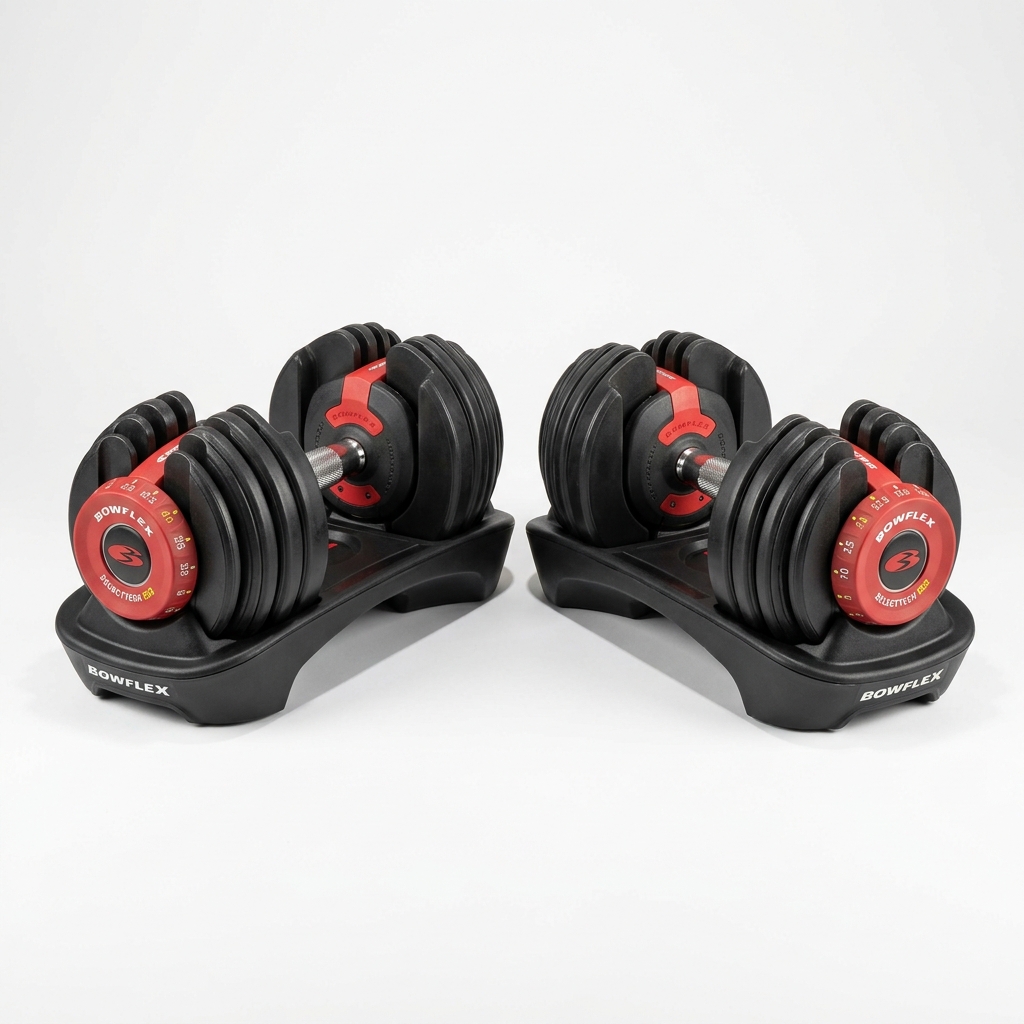
Bowflex SelectTech 552 Dumbbells
These replaced an entire dumbbell rack in my garage gym. Each one adjusts from 5 to 52.5 lbs with a simple dial,
$259.00
Check Price on Amazon →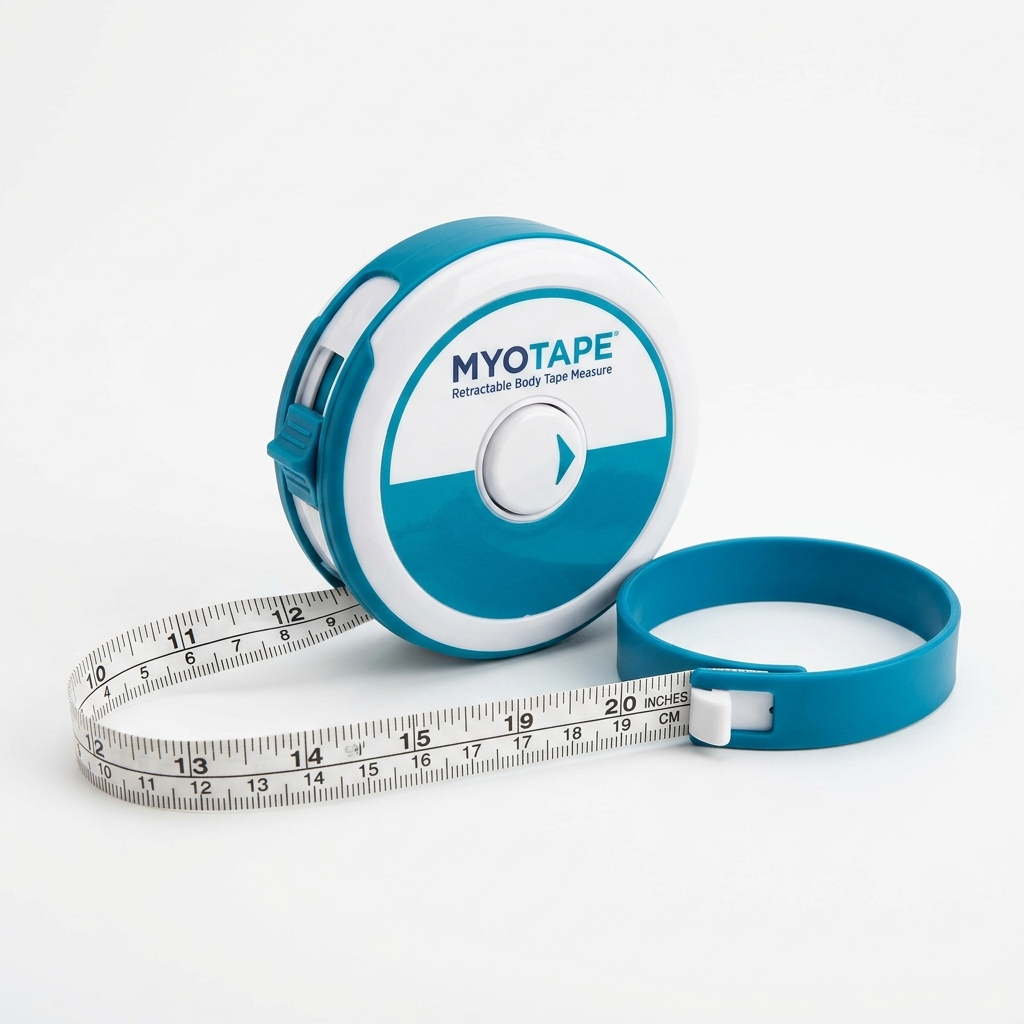
MyoTape Body Tape Measure
This solved my biggest measurement problem: inconsistency. Unlike a regular tape measure where you're guessing at tension every time,
$8.95
Check Price on Amazon →What Real People Are Saying
"I stopped weighing myself entirely after week three. Now I only track measurements and strength PRs in PixMixy. Down 4 inches on my waist, up 25 lbs on my squat. Best shape of my life."
"The consistency percentage feature was a wake-up call. I thought I was training hard, but my data showed I was only hitting 55% of my planned sessions. Once I saw that number, everything changed."
"Progress photos were the thing that kept me going. My weight bounced around for two months, but the side-by-side photos told a completely different story. I looked like a different person."
Your Body Is Changing. Start Measuring What Matters.
The scale is one tool. It's not the only tool, and most of the time, it's not even the best tool. If you're training hard, eating right, and showing up consistently, your body is changing in ways that weight alone cannot capture. Measurements, strength numbers, energy trends, consistency data, and progress photos paint the full picture.
Start with three metrics. Log them daily for 30 days. Watch the patterns emerge. You'll learn more about your body in one month of real tracking than in years of stepping on a scale and hoping for the best.
If you want to go deeper into structured fitness logging, check out our guide on how to track your fitness progress like a pro for a step-by-step setup. And if you're curious about what a full 90-day data-driven transformation looks like, read My 90-Day Body Transformation: What the Data Taught Me for the complete breakdown, numbers and all.
