From Academic Probation to Top 15%
First year of medical school nearly broke me. I was studying 10+ hours a day and still failing exams. The volume of material was crushing - 400+ pages of dense content per week. I was highlighting everything (which means highlighting nothing), re-reading textbooks (the least effective study method), and burning out fast.
By the end of semester one, I was on academic probation. I had two options: figure it out or drop out. That's when I discovered that how long you study matters far less than how you study - and tracking revealed the difference.
The Tracking Revelation
I started logging my study sessions in PixMixy: time started, time ended, subject, technique used, and a 1-10 focus rating. After two weeks, the data was devastating:
- Of my "10 hours of studying," only 4.2 hours were actual focused work
- I was losing 2+ hours to phone distractions per session
- My focus rating dropped below 4/10 after hour 3 of continuous study
- I spent 70% of my time on re-reading - the least effective technique
I wasn't studying too little. I was studying wrong. The data made it undeniable.
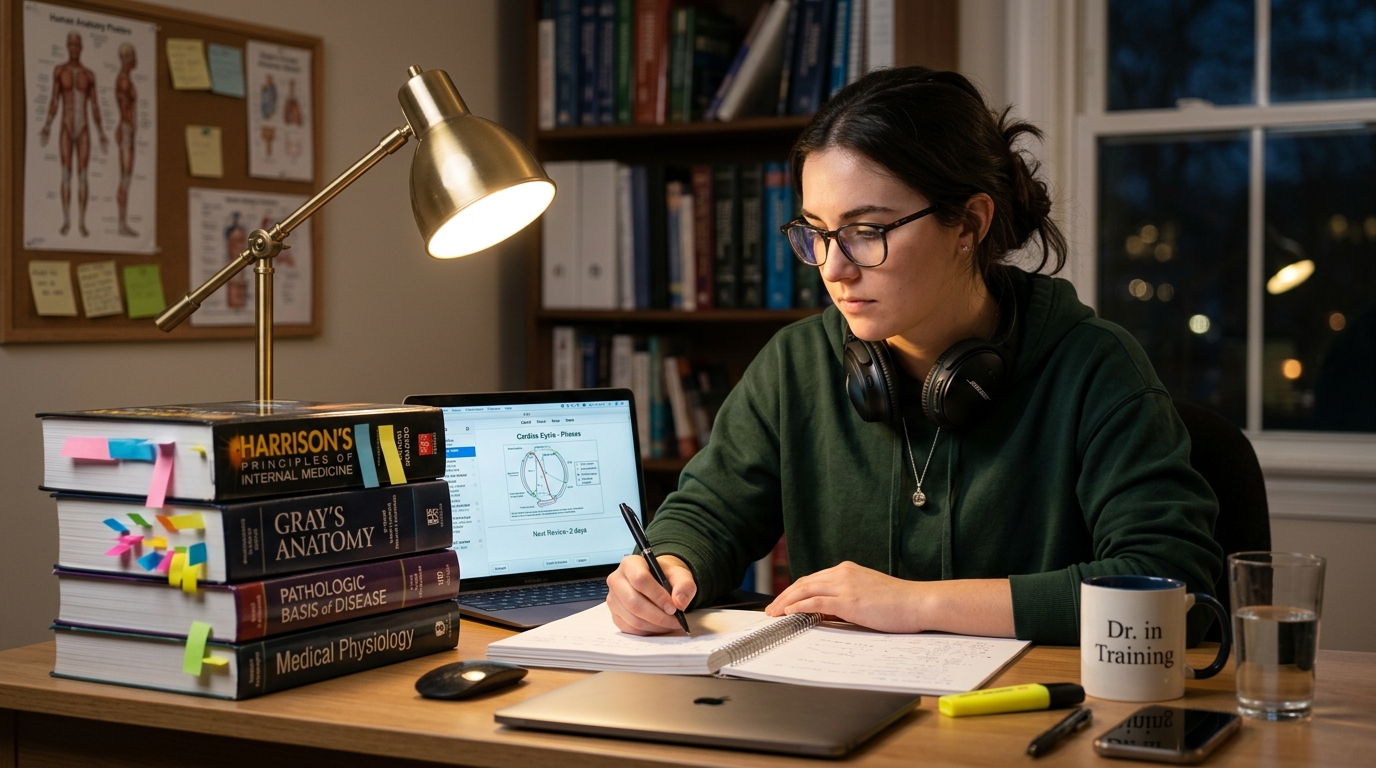
My study setup before vs. after the system overhaul
The Three-Technique System
After researching learning science (ironic, studying how to study), I rebuilt my approach around three evidence-based techniques:
1. Pomodoro Technique (25/5 intervals)
25 minutes of focused study, 5-minute break. After 4 rounds, a 15-minute break. I tracked each Pomodoro in PixMixy. My phone went on airplane mode during study blocks. This single change took my effective study time from 4.2 to 5.8 hours despite studying fewer total hours.
2. Active Recall
Instead of re-reading, I closed the textbook and tried to recall everything from memory. Then checked what I missed. It's uncomfortable - you feel like you're failing constantly. But the research shows it's 2-3x more effective than passive review.
3. Spaced Repetition
Reviewing material at increasing intervals: 1 day, 3 days, 7 days, 14 days. I used Anki for flashcards and tracked my daily review count in PixMixy. This alone cut my exam prep time in half because I wasn't re-learning material I'd already forgotten.
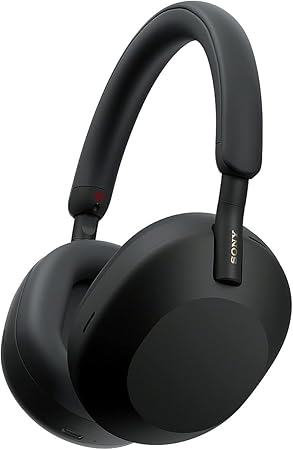
Sony WH-1000XM5 Noise-Cancelling Headphones
These headphones saved my grades. Medical school libraries are not quiet - people whisper, pages turn, keyboards clack.
$278.00
Check Price on Amazon →The Environment Upgrade
Your study environment matters more than you think. I invested in two things that had outsized impact:
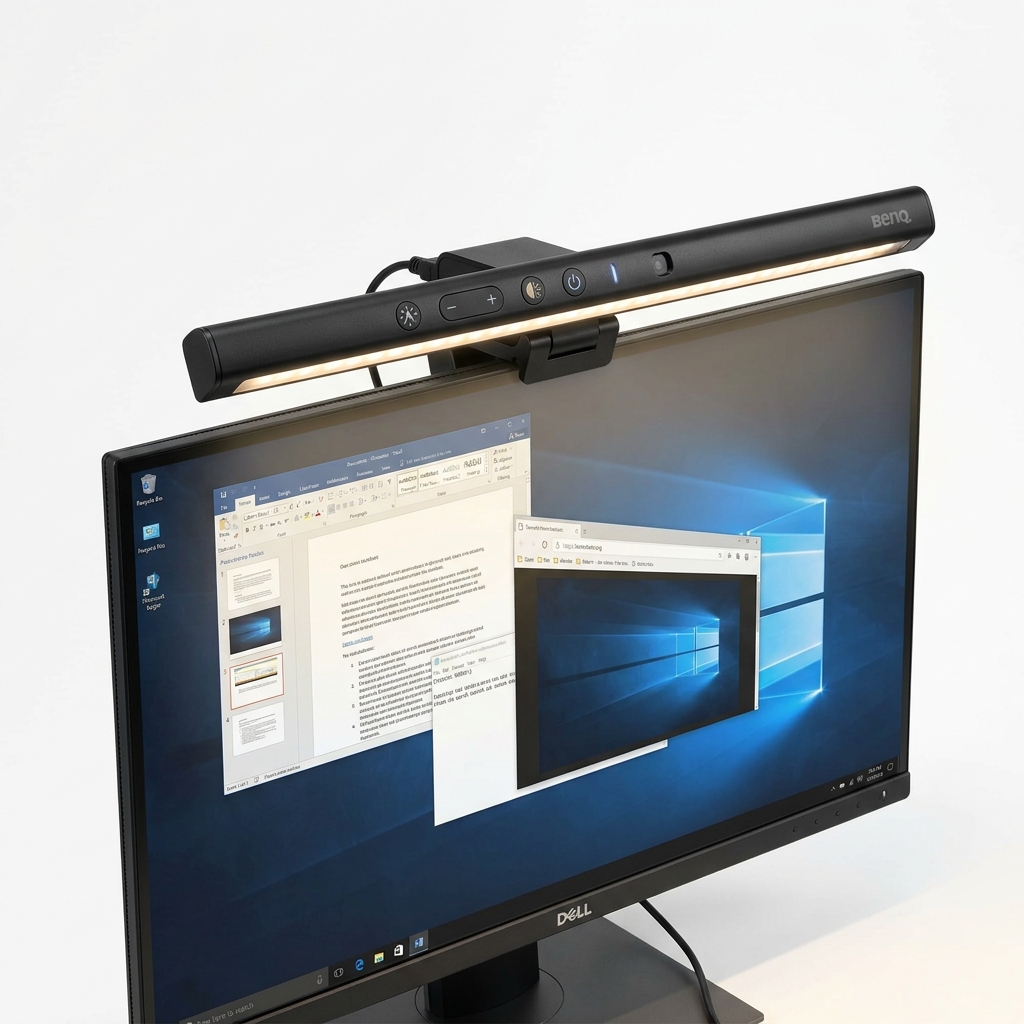
BenQ ScreenBar Monitor Light
I was getting brutal eye strain from studying on my laptop in dim lighting.
$50.00
Check Price on Amazon →"I tracked my Pomodoro sessions in PixMixy for an entire semester. Turns out I was most productive between 8-11 AM and completely useless after 8 PM. I rearranged my schedule and my GPA went up 0.4 points. Data doesn't lie."
"The illiterate of the 21st century will not be those who cannot read and write, but those who cannot learn, unlearn, and relearn." - Alvin Toffler
The Results
After one semester with the new system:
- Daily study time: reduced from 10 hours to 6.2 hours
- Exam scores: rose from 62% average to 84%
- Focus rating: climbed from 4.2/10 to 7.8/10
- Class rank: from academic probation to top 15%
The irony is beautiful: I studied less and learned more. Because every hour was intentional, tracked, and optimized.
"PixMixy showed me I was 'studying' for 8 hours but only truly focused for 3. Once I started doing honest Pomodoros and tracking them, I finished the same material in 5 hours and actually retained it."
Start Tracking Your Study Habits Today
You don't need to be in medical school to benefit from study tracking. Whether you're prepping for a certification, learning a new skill, or finishing a degree - the principles are the same: track your time, use evidence-based techniques, and let data optimize your approach.
Pair this system with a solid morning routine to get your deep study work done early. And if you're feeling overwhelmed, read about recovering from burnout - it's more common than you think.
