30-Day Habit Challenge: The Complete Beginner's Blueprint
Here's a number that changed the way I think about habits: 30. Not 21. Not 66. Thirty days. It's long enough to rewire your daily routine, short enough that your brain doesn't panic at the commitment, and neat enough to fit on a single calendar page. I've run over a dozen 30-day challenges myself, and I've helped hundreds of readers start theirs. This is the exact blueprint I wish someone had handed me before my first attempt.
A 30 day habit challenge works because it sits in a psychological sweet spot. Three weeks is too short for most behaviors to stick, and two months feels overwhelming when you're starting from scratch. Thirty days gives you just enough repetition to build genuine automaticity while keeping the finish line visible from day one. You can literally count down on your fingers (well, sort of). That visibility matters more than most people realize.
Key Stat: Research published in the European Journal of Social Psychology found that habit formation takes an average of 66 days, but the sharpest gains in automaticity happen in the first 30 days. After that initial month, the behavior already feels roughly 60% automatic. Starting a 30-day challenge captures the majority of that momentum.
Pick Your Keystone Habit (Just One)
This is where most people blow it before they even begin. They pick five habits, stack them into a "morning routine overhaul," and flame out by day four. Don't do that. Pick one keystone habit and pour all of your focus into it.
A keystone habit is a single behavior that creates a ripple effect across the rest of your life. Charles Duhigg coined the term in The Power of Habit, and the research backs it up. When people start exercising consistently, for example, they also start eating better, sleeping more, and spending less impulsively. One habit, multiple upgrades.
Here are the three keystone habits I recommend most for a first 30-day challenge:
- Daily movement (20+ minutes). Walking counts. Yoga counts. A bodyweight circuit in your living room counts. The bar is "get your heart rate up and your body moving." Exercise is the single most studied keystone habit, and it has the strongest cascade effect on mood, energy, and decision-making.
- Morning journaling (5-10 minutes). Writing by hand, first thing, before you check your phone. Three pages of stream-of-consciousness or a structured prompt. Either works. Journaling builds self-awareness, and self-awareness is the raw material of every other positive change you'll make.
- A consistent wake-up time. Same alarm, seven days a week. No snooze. This is deceptively powerful because it anchors every other routine to a fixed point. When your wake-up time drifts, everything else drifts with it.
Pick the one that excites you the most. Not the one you think you "should" do. Excitement is fuel, and you'll need fuel around day 12 when the novelty wears off.
The Daily Tracking System
What gets measured gets managed. That's not just a motivational poster quote; it's backed by a meta-analysis of 94 studies showing that self-monitoring is the single strongest predictor of behavior change success. You need a tracking system, and it needs to be dead simple.
I use a method I call the X-Chain. Here's how it works:
- Get a physical calendar or habit tracker. Paper beats apps here. The tactile act of marking an X matters. (I'll recommend my favorite tracker below.)
- Each day you complete your habit, draw a big red X through that date. Use a marker, not a pen. Make it visible and satisfying.
- Your only goal is to not break the chain of X's. After a few days, you'll have a visual streak. That streak becomes its own motivation. You won't want to leave a gap.
Jerry Seinfeld famously used this method to write jokes every single day. He didn't focus on writing good jokes. He focused on not breaking the chain. The quality came as a byproduct of consistency.
Here's my tracking template for a 30-day challenge:
- Habit: [Write your one keystone habit]
- Minimum viable version: [The smallest version that still counts. Example: "Walk for 10 minutes."]
- Trigger: [What happens right before? Example: "After I pour my morning coffee."]
- Reward: [What do you do right after? Example: "I check my phone guilt-free."]
- Tracking method: [Calendar on the fridge / Clever Fox Planner / sticky note on the bathroom mirror]
Fill that out before Day 1 starts. Writing it down makes it a commitment, not just an idea floating around in your head.
What to Do When You Miss a Day
You will miss a day. I'm not being pessimistic; I'm being honest. Life happens. You'll get sick, travel will throw off your schedule, or you'll simply forget. The question isn't whether you'll miss a day. The question is what you do next.
Here's the only rule that matters: Never miss twice.
Missing once is an accident. Missing twice is the start of a new pattern. Research from the habit formation study I mentioned earlier shows that a single missed day has virtually zero impact on long-term habit strength. But two consecutive misses? That's where the wheels start to come off.
When you miss a day, follow this protocol:
- Don't punish yourself. Guilt is not a strategy. It's a motivation killer. Acknowledge the miss and move on.
- Do the minimum viable version the very next day. Remember that "smallest version" you wrote down? Use it. If your habit is a 30-minute workout and you missed yesterday, today you do 10 minutes. Just get the X on the calendar.
- Investigate, don't judge. Ask yourself: "What got in the way?" Was it a scheduling conflict? An energy problem? A motivation dip? Treat it like data, not a character flaw.
I missed Day 9 of my first ever 30-day challenge (a daily writing habit). I felt like the whole thing was ruined. It wasn't. I did 10 minutes of messy journaling on Day 10, got my X back, and completed the remaining 20 days without another miss. That one save changed my relationship with consistency forever.
Week-by-Week Expectations
Knowing what to expect at each stage takes the fear out of the process. Here's what I've seen across my own challenges and feedback from readers:
Week 1: The Honeymoon (Days 1-7)
Everything feels exciting and new. You're riding motivation, telling your friends about your challenge, and the X-Chain looks satisfying on the wall. Enjoy this energy, but don't mistake it for the habit being "formed." This is novelty, not automaticity. Use this week to lock in your trigger-behavior-reward loop until it feels like a groove.
Biggest risk: Overcommitting. You feel so good that you double your target. Don't. Stick to the plan.
Week 2: The Resistance (Days 8-14)
The novelty is gone. The habit now feels like a chore. You'll start negotiating with yourself: "Maybe I can skip today and double up tomorrow." This is the most critical week of the entire challenge. Most people quit here. The ones who push through Week 2 are the ones who finish.
Survival strategy: Shrink the habit. Do the absolute minimum viable version every single day this week. It's better to walk for 5 minutes than to skip a 30-minute workout. Protect the chain at all costs.
Week 3: The Shift (Days 15-21)
Something clicks. You'll notice that doing the habit feels easier than not doing it. The mental resistance drops. You might even catch yourself starting the habit automatically, without the internal debate. This is the beginning of automaticity, and it feels fantastic. You're not white-knuckling it anymore; you're gliding.
Opportunity: Gradually increase intensity if you've been doing the minimum. Add 5 minutes to your workout. Write an extra page. Push your wake-up time 15 minutes earlier.
Week 4: The Lock-In (Days 22-30)
The habit is becoming part of your identity. You're no longer "someone trying to exercise." You're "someone who exercises." That mental shift is the real prize of a 30-day challenge. The behavior feels normal. Missing it would feel weird. You'll start thinking about your next challenge before this one even ends.
Pro move: Start planning what comes after Day 30. Will you continue this habit and add a second one? Will you increase the difficulty? Having a "Day 31 plan" prevents the post-challenge drop-off that catches a lot of people off guard.

Day 30 - the feeling of completing your first full challenge
Tools That Make the Challenge Easier
You don't need much to run a 30-day challenge, but the right tools reduce friction. These are the two I recommend to every beginner:
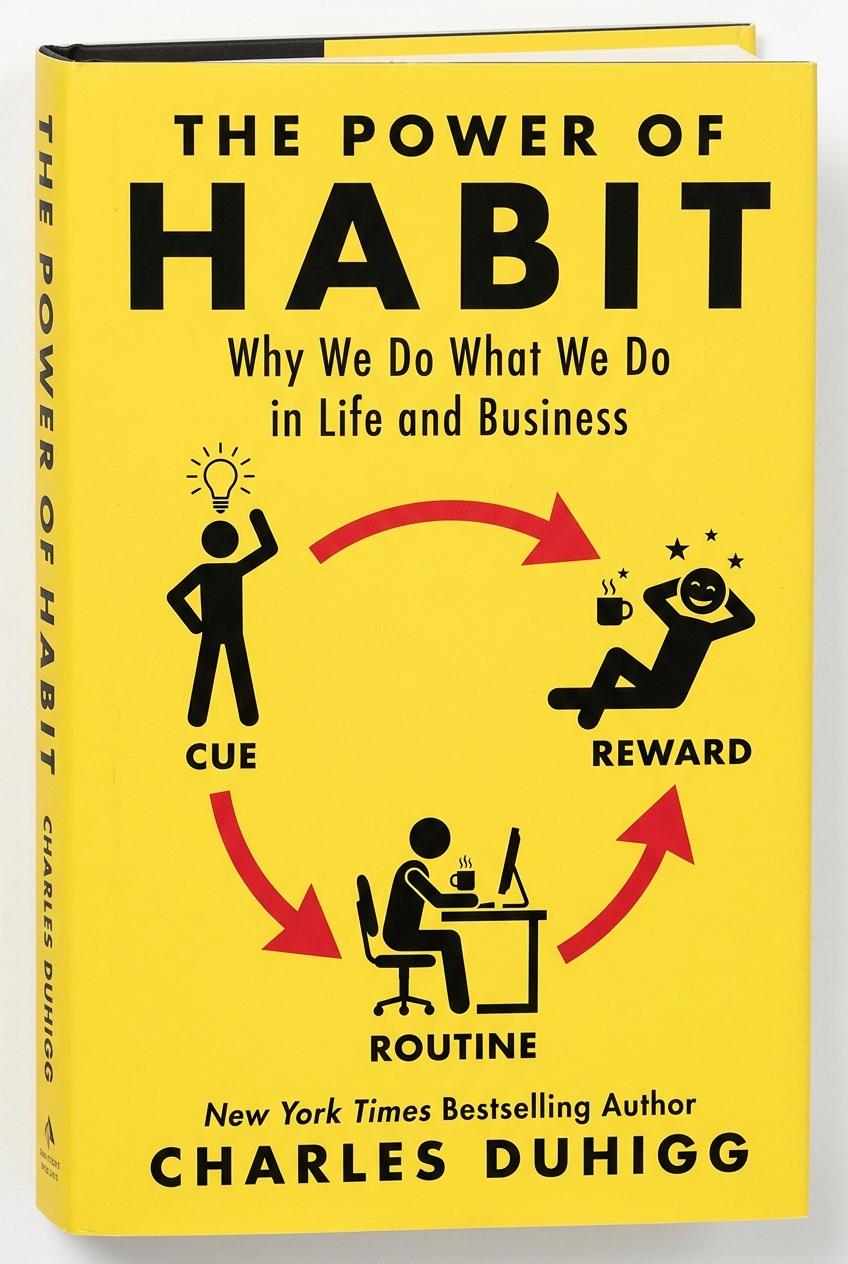
The Power of Habit by Charles Duhigg
This is the book that started it all for me. Duhigg breaks down the science of the habit loop (cue, routine,
$14.99
Check Price on Amazon →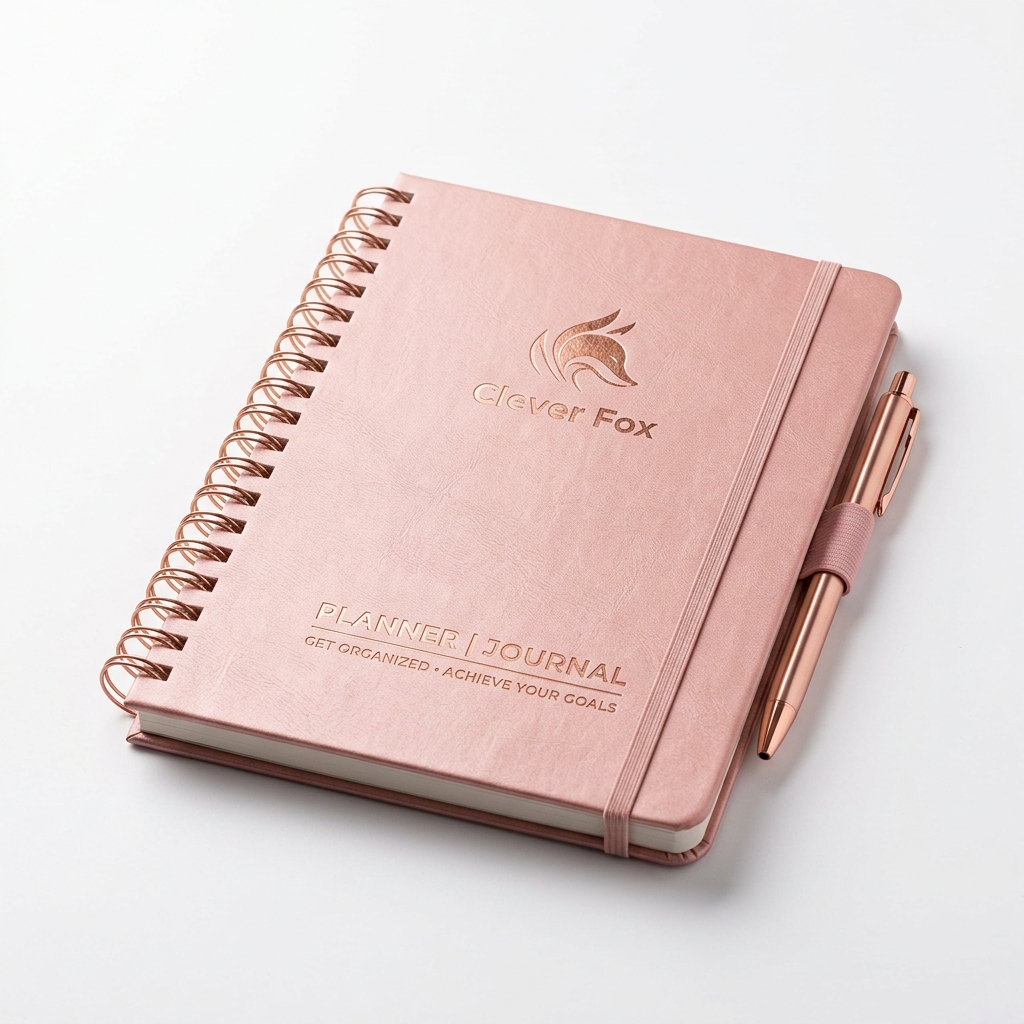
Clever Fox Planner
I've tried at least a dozen planners and habit trackers, and this one hits the sweet spot between structure and flexibility.
$29.99
Check Price on Amazon →Real People, Real Results
"I started with a 30-day walking challenge after reading this site. By Day 18 I wasn't even thinking about it anymore. I just grabbed my shoes and went. It's been four months now and I haven't missed more than two days in a row. I've also lost 11 pounds without changing my diet at all."
"The 'never miss twice' rule saved my challenge. I missed Day 6 and almost gave up. Instead I did the bare minimum on Day 7 and kept going. Finished all 30 days of daily journaling. My anxiety is noticeably lower, and I process my thoughts so much better now."
"Week 2 was brutal, exactly like the article warned. But knowing it was coming made all the difference. I white-knuckled through Days 10-13, and then it got so much easier. I've now completed three separate 30-day challenges back to back."
Your Day 1 Action Plan
Don't overthink this. Here's what to do right now:
- Pick your one keystone habit from the list above (or choose your own).
- Define your minimum viable version so small it feels almost silly.
- Set your trigger and reward. Anchor the habit to something you already do every day.
- Get a physical tracker. Print a calendar, buy a Clever Fox Planner, or tape a grid to your fridge.
- Start tomorrow morning. Not next Monday. Not the first of the month. Tomorrow.
Thirty days from now, you'll either have a new habit or a new excuse. The blueprint is here. The science backs it up. The only variable left is whether you start.
Keep Building
If you want to understand the full science behind how long habit formation really takes (and why the "21 days" myth won't die), check out our deep dive: How Long Does It Take to Build a Habit?.
And if you're thinking about anchoring your new habit to the first hours of your day, you'll want to read Why Morning Routines Are the Key to Success. Morning routines and 30-day challenges are a powerful combination, and that post explains exactly how to stack them together.
