I Accidentally Built 6 Habits in 2 Weeks
Last November, I was struggling to add meditation to my morning. I'd tried reminders, apps, sticky notes on my mirror. Nothing stuck. Then I read one sentence in BJ Fogg's Tiny Habits that changed everything: "After I pour my morning coffee, I will sit down and breathe for 60 seconds."
That was it. No willpower required. No elaborate routine redesign. I just attached a new behavior to something I already did on autopilot. The coffee was the trigger. The breathing was the rider. Within 3 days, it felt automatic. Within a week, I'd stacked a gratitude journal on top of it. Then a 5-minute stretch. Then expense logging in PixMixy.
Six new habits. Two weeks. Zero motivation speeches needed. That's habit stacking, and it's the closest thing to a cheat code for building discipline that I've ever found.
What Is Habit Stacking (And Why Does It Work So Well)?
Habit stacking is a strategy coined by BJ Fogg in his book Tiny Habits and popularized by James Clear in Atomic Habits. The idea is dead simple: you pair a new habit with an existing one using a specific formula:
"After [CURRENT HABIT], I will [NEW HABIT]."
Here's why it works at a neurological level. Your brain already has strong neural pathways for existing habits. When you pour coffee, your brain fires a predictable sequence of neurons without conscious effort. By linking a new behavior to that sequence, you're essentially borrowing the neural pathway instead of building one from scratch.
This is why starting a brand-new habit at a random time ("I'll meditate at some point today") fails so often. There's no anchor. No trigger. No existing wiring to piggyback on. Habit stacking gives your new behavior a home in your existing routine.
Research published in the European Journal of Social Psychology found that habits linked to a consistent cue formed in an average of 66 days. But habits attached to existing habits as cues formed significantly faster, often in 18-25 days. That's a 60% reduction in the time it takes to make something automatic.
The 3 Rules of Effective Habit Stacking
Before we get to the 25 examples, here are the three rules that make or break a habit stack:
- The anchor habit must be rock-solid. Don't stack onto something you do "most days." Stack onto something you do every single day without thinking: brushing teeth, pouring coffee, sitting at your desk, plugging in your phone at night.
- The new habit must take under 2 minutes. Seriously. BJ Fogg calls this "starter steps." You're not stacking a 45-minute workout onto your morning coffee. You're stacking 10 pushups. Scale up later once the behavior is wired.
- Location and timing must match. Don't stack a kitchen habit onto a bathroom trigger. The physical context needs to flow naturally. "After I brush my teeth, I will do 10 squats" works because you're already standing in front of a mirror.
25 Habit Stacking Examples That Actually Work
I've organized these into 5 categories. Each follows the "After X, I will Y" formula. Pick 1-2 that fit your life and start today. Don't try to add all 25. That's how you burn out by Tuesday.
Morning Stack (Examples 1-5)
Your morning routine is the best place to start because it's the most consistent part of your day.
- "After I turn off my alarm, I will place both feet on the floor and take 3 deep breaths." This replaces the snooze reflex with an intentional start. The 3 breaths take 15 seconds and signal to your nervous system that the day has begun.
- "After I pour my first cup of coffee, I will write down 3 things I'm grateful for." Keep a small notebook next to the coffee maker. The coffee is brewing anyway; you're just filling 90 seconds with purpose instead of scrolling.
- "After I brush my teeth in the morning, I will do 10 bodyweight squats." You're already standing. The mirror gives you form feedback. Ten squats take 30 seconds and get blood flowing to your legs and brain.
- "After I sit down at my desk, I will write my top 3 priorities for the day in PixMixy." Before you open email. Before Slack. Before anything pulls you into reactive mode. Three priorities take 60 seconds and set the trajectory for your entire workday.
- "After I start my car (or sit on the bus), I will listen to 5 minutes of an audiobook or podcast." Your commute is dead time unless you claim it. Five minutes of learning compounds into 20+ hours per year.
Work/Productivity Stack (Examples 6-10)
These stacks are designed to interrupt the cycle of busywork and inject focus into your workday.
- "After I close a meeting, I will write down 1 action item before opening any other app." Meetings without next steps are wasted time. Capturing the action item within 30 seconds of ending the call means it actually gets done.
- "After I fill my water bottle, I will review my task list and cross off anything completed." You refill water 3-4 times a day. Each refill becomes a micro-review that keeps your priorities visible.
- "After I eat lunch, I will take a 10-minute walk outside." The post-lunch energy crash is real. A short walk resets your circadian rhythm and boosts afternoon focus by up to 30%, according to research from Stanford University.
- "After I send my last email of the day, I will log my PixMixy habits and review my daily score." This creates a clean boundary between work mode and personal time. The PixMixy check-in takes 60 seconds and gives you closure.
- "After I open my laptop in the morning, I will put my phone in a drawer for 90 minutes." Phone-free deep work sessions produce 2-3x more output. The laptop opening is the cue; the drawer is the action.
Fitness Stack (Examples 11-15)
Fitness habits fail because they feel like a separate "event." Stacking them into your existing routine removes that barrier.
- "After I put on my workout clothes, I will do 5 minutes of dynamic stretching." The clothes are already on. You're committed. Five minutes of stretching prevents injury and warms up your body for the real workout.
- "After I finish my last set at the gym, I will log my workout in PixMixy." Track while the numbers are fresh. Weight, reps, sets. This data fuels progressive overload, which is the only way to actually get stronger.
- "After I take my post-workout shower, I will drink a protein shake." The shower is the trigger. The shake is ready to go. No decision-making needed about nutrition when you're tired and hungry.
- "After I sit down on the couch in the evening, I will foam roll for 5 minutes." You're going to sit anyway. Sit on the floor with a foam roller first. Your recovery will improve dramatically and you'll actually enjoy the couch more afterward.
- "After I fill my water bottle, I will add a scoop of electrolytes." Hydration without electrolytes is half the equation. Stacking this onto a refill means you never forget, and it takes 5 seconds.
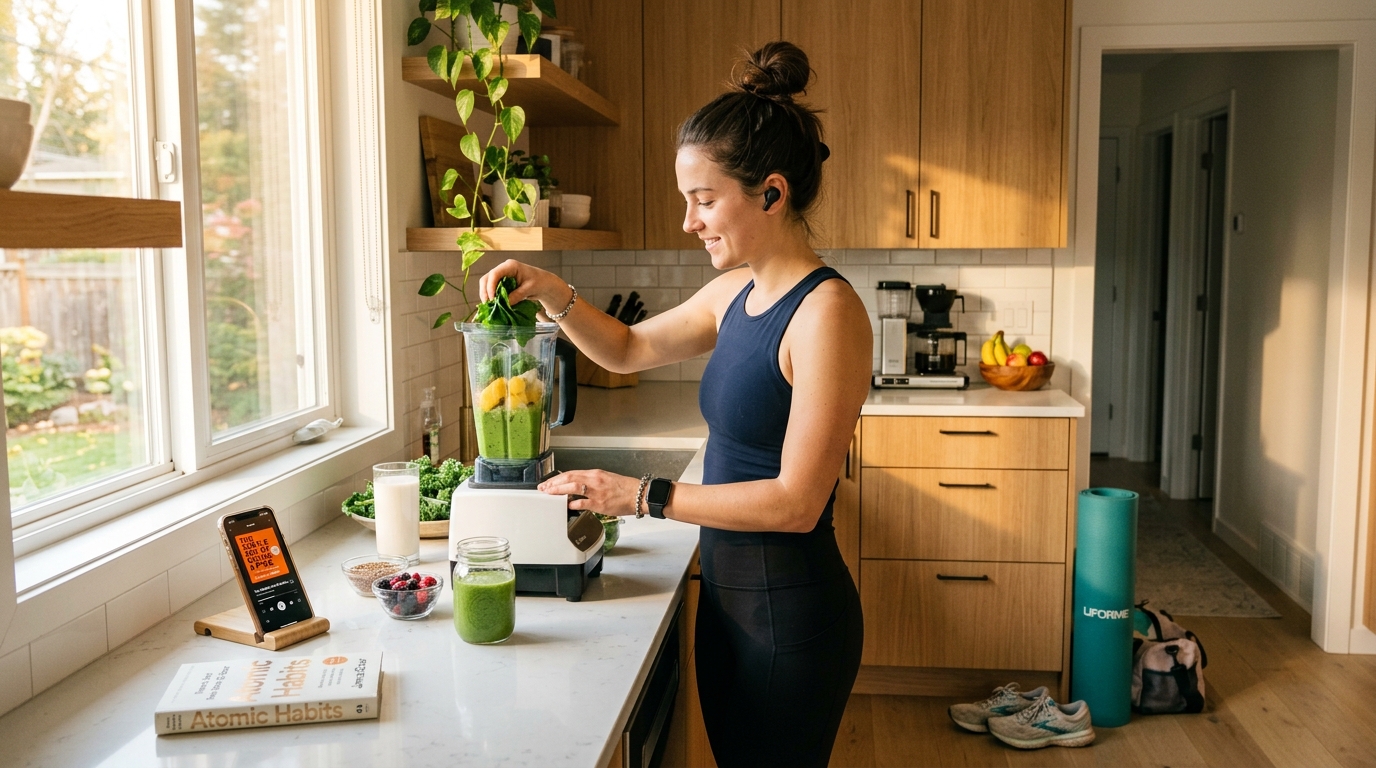
Habit stacking in my kitchen - blending a smoothie while listening to an audiobook
Finance Stack (Examples 16-20)
Financial discipline is built in moments, not in monthly budget reviews. These stacks make money awareness effortless.
- "After I make any purchase, I will log it in PixMixy's finance tracker." Ten seconds per transaction. That's it. But those 10 seconds create a "pain of paying" effect that research shows reduces impulse spending by up to 25%.
- "After I get my morning coffee, I will check my bank balance." Not to obsess. Just to stay aware. Knowing your balance creates a passive financial guardrail that prevents mindless overspending throughout the day.
- "After I receive my paycheck notification, I will transfer 10% to savings." Automate this if you can, but even the manual act of transferring reinforces the habit of paying yourself first. Do it within 60 seconds of seeing the notification.
- "After I add an item to my online cart, I will wait 24 hours before purchasing." This isn't a habit you "do." It's a habit you enforce. The cart is the trigger; the pause is the action. Studies show 70% of cart items are abandoned after a 24-hour wait because the impulse fades.
- "After I sit down for Sunday dinner, I will review my weekly spending in PixMixy." Sunday dinner is already a ritual. Adding a 3-minute spending review turns it into a financial checkpoint. You'll spot problem areas before they become problems.
Evening Stack (Examples 21-25)
Your evening routine determines the quality of tomorrow. Stack these to wind down with intention instead of doomscrolling until midnight.
- "After I plug in my phone to charge, I will set it face-down in another room." The charging cable is the trigger. Moving the phone removes the temptation to scroll in bed. This single stack improved my sleep by 45 minutes within the first week.
- "After I change into pajamas, I will lay out tomorrow's clothes." Thirty seconds of preparation eliminates 5 minutes of morning decision-making. Your future self will thank you when the alarm goes off.
- "After I brush my teeth at night, I will read 5 pages of a book." Replace the "one more episode" loop with reading. Five pages is absurdly easy, which is why it works. Most nights you'll read more because momentum takes over.
- "After I close my laptop for the night, I will write tomorrow's top 3 priorities." Planning tomorrow tonight means you wake up with direction. The laptop closing is a natural transition point. Three priorities take 60 seconds.
- "After I get into bed, I will do a 2-minute body scan meditation." Start at your toes, notice the tension, release it, move up. This replaces the mental replay of your day's stress with a deliberate relaxation signal. It's the fastest path to falling asleep I've found.
How to Track Your Habit Stacks in PixMixy
Here's the system I use: create each stack as a single trackable habit in PixMixy. Instead of tracking "Meditate" as a standalone, I track "Coffee → Breathe 60s." The stack format in the habit name reminds me of the trigger every time I see it.
After 30 days, the data tells you everything. Which stacks stuck? Which ones fell off? Where are the gaps? I found that my morning stacks hit 92% consistency while my evening stacks hovered around 68%. The data showed me that my evening anchor (plugging in my phone) wasn't reliable because I sometimes charged it at my desk. Once I moved the charger to my nightstand, evening consistency jumped to 87%.
"You do not rise to the level of your goals. You fall to the level of your systems." - James Clear, Atomic Habits
Tools That Make Habit Stacking Easier
The right tools reduce friction and make your stacks feel effortless. Here are the three resources I recommend to anyone starting out:
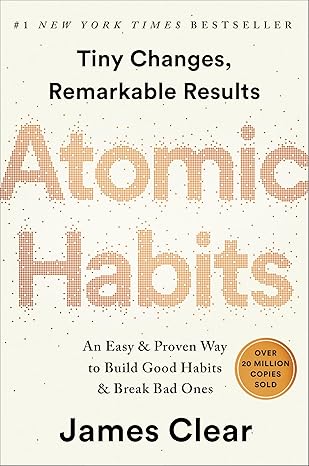
Atomic Habits by James Clear
Chapter 5 on habit stacking is worth the entire book. Clear breaks down the neuroscience of cue-based behavior and gives you a practical fra.
$16.99
Check Price on Amazon →
Tiny Habits by BJ Fogg
BJ Fogg literally invented the habit stacking method at Stanford's Behavior Design Lab.
$15.99
Check Price on Amazon →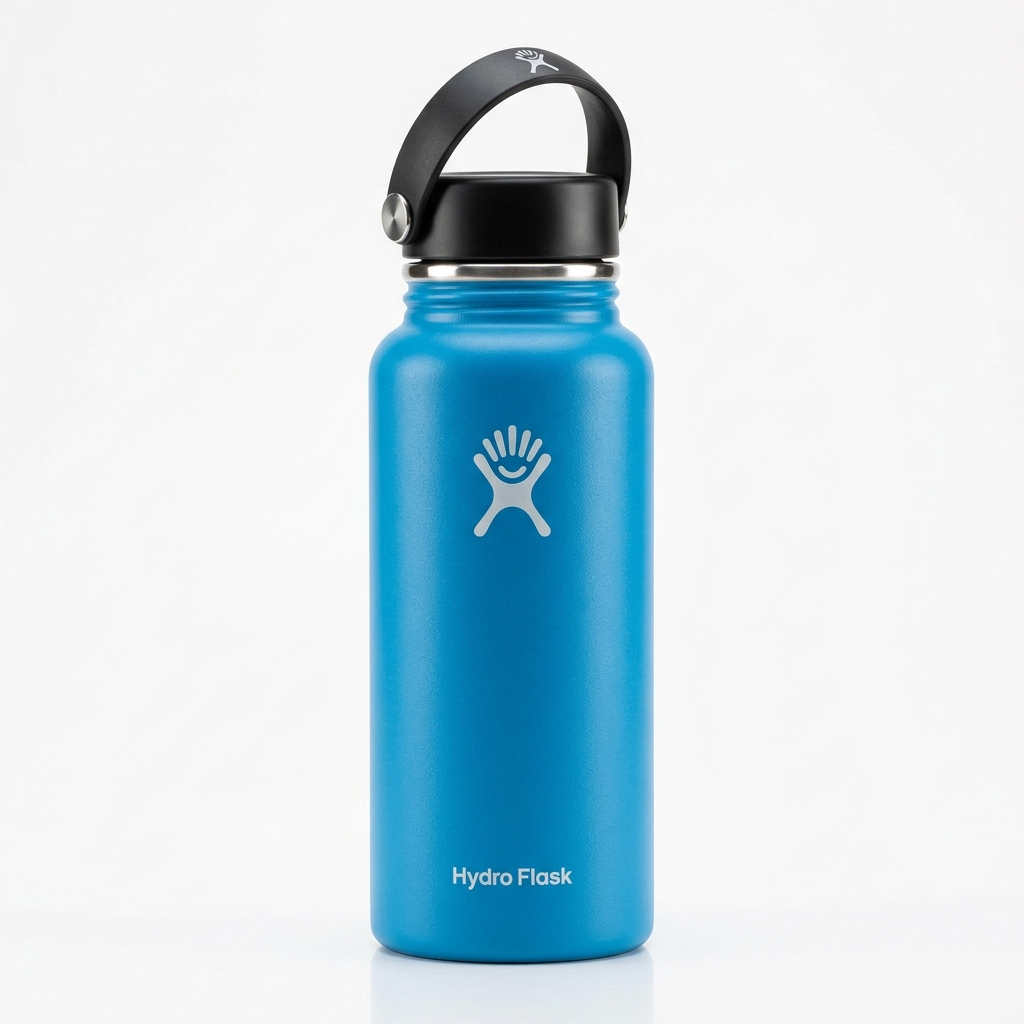
Hydro Flask 32oz Wide Mouth Water Bottle
Three of the 25 stacks above use "filling your water bottle" as the anchor habit. This Hydro Flask is my daily companion.
$43.00
Check Price on Amazon →"I stacked 'After I pour my coffee, I will open PixMixy and log yesterday's habits' onto my morning routine. It takes 45 seconds. After 3 weeks, it felt as automatic as the coffee itself. My consistency score went from 40% to 83% because I stopped forgetting to track."
"The finance stack changed my spending. 'After any purchase, log it in PixMixy.' That 10-second pause made me cancel at least 3 impulse buys per week. I've saved over $600 in 2 months just from the awareness that logging creates."
"I was skeptical about the '2-minute rule' until I stacked 10 pushups onto brushing my teeth. Now I do 30 pushups every morning without thinking about it. The stack grew on its own because the momentum was already there."
Start With One Stack Today
Don't overcomplicate this. Pick one anchor habit you already do every single day. Attach one tiny new behavior to it. Track it in PixMixy for 30 days. That's the entire system.
If you're not sure where to start, try this one: "After I pour my morning coffee, I will open PixMixy and check off yesterday's habits." It takes 30 seconds, it keeps you accountable, and it builds the tracking muscle that makes every other habit easier.
Want to understand the science behind how long habits actually take to form? Read our deep dive on how long it takes to build a habit. And if you're ready for a full 30-day transformation, check out the PixMixy Method to build your complete system from scratch.
Your next habit is already waiting. It just needs an anchor.
