5:04 AM. Zero Motivation. I Showed Up Anyway.
Last Tuesday, my alarm went off at 5 AM. I stared at the ceiling. My body was heavy, my brain was foggy, and every fiber of me wanted to roll over and sleep for three more hours. I didn't feel motivated. I didn't feel inspired. I felt nothing.
But I got up. I put on my shoes, walked to my desk, and started working. Not because I wanted to. Because I had a system that didn't ask me how I felt. It just asked: did you do the thing?
That's the difference between motivation and discipline. And it's the reason I've completed 247 consecutive tracked days in PixMixy while most people abandon their goals by week three.
Discipline vs. Motivation: One Is a Feeling, the Other Is a System
Motivation is emotional. It spikes when you watch an inspiring video or set a New Year's resolution. It crashes when the alarm rings at 5 AM and nobody's watching.
Discipline is structural. It's the decision you made yesterday that your future self has to honor today. It doesn't care about your feelings. It cares about your commitments.
Here's an analogy that stuck with me: motivation is the spark, discipline is the engine. You need a spark to start the car, but the spark doesn't drive you 500 miles. The engine does. And engines run on systems, not emotions.
I used to wait for motivation before doing anything hard. Workout? Only if I felt energized. Study? Only if I was "in the zone." Track my expenses? Maybe next week. The result? I stayed exactly where I was for years.
Why Waiting for Motivation Is a Trap
Dr. Timothy Pychyl, a professor of psychology at Carleton University and one of the world's leading researchers on procrastination, has spent over 20 years studying why people avoid tasks they know they should do. His findings are uncomfortable: procrastination isn't a time management problem. It's an emotion regulation problem.
We don't procrastinate because we're lazy. We procrastinate because the task triggers negative emotions - boredom, anxiety, frustration, self-doubt - and our brain reaches for something that feels better right now. Scrolling social media. Watching "just one more" episode. Reorganizing our desk instead of doing the actual work.
Pychyl's research reveals a critical insight: motivation follows action, not the other way around. You don't feel like going to the gym, so you don't go. But if you force yourself to just put on your shoes and step outside, the motivation often shows up after you've started. He calls this the "progress loop" - action creates momentum, momentum generates motivation, motivation sustains action.
The practical takeaway? Stop waiting to feel ready. Feeling ready is not a prerequisite for action. It's a byproduct of it.
"We don't need to feel like doing something to do it. That's the key insight that separates disciplined people from everyone else." - Dr. Timothy Pychyl
Remove Temptations and Redesign Your Environment
Dr. Wendy Wood, a research psychologist at USC and author of Good Habits, Bad Habits, has demonstrated something powerful in her studies: roughly 43% of our daily actions are habitual - performed automatically, without conscious decision-making. That means almost half of what you do every day isn't really a "choice." It's a default driven by your environment.
This is why willpower-based approaches fail. Willpower is a finite resource. If your environment is full of temptations - your phone next to your desk, junk food in the pantry, Netflix one click away - you're spending willpower all day just resisting. By evening, you have nothing left.
The discipline hack: redesign your environment so the right choice is the easy choice.
- Phone in another room during deep work blocks (not face-down on the desk - in another room)
- Gym clothes laid out the night before, right next to your bed
- Remove social media apps from your phone's home screen (move them to page 3 in a folder)
- Keep a water bottle on your desk instead of energy drinks
- Set your PixMixy tracker as the first app you open in the morning, not Instagram
I rearranged my apartment specifically to support discipline. My running shoes sit by the front door. My journal and pen sit on my desk. My phone charges in the kitchen, not on my nightstand. These tiny friction changes removed the need for willpower entirely. I don't have to be disciplined about checking my phone at 5 AM - it's literally not within arm's reach.
Make It Automatic With Systems and Routines
The most disciplined people I know don't rely on daily decision-making. They've built systems that make the right behavior automatic.
Here's what my system looks like in PixMixy:
- 5:00 AM - Alarm. No snooze. Feet on floor. (Tracked: "Wake before 5:15")
- 5:05 AM - Glass of water, 5-minute stretch. (Tracked: "Morning movement")
- 5:15 AM - Deep work session. No email, no messages. (Tracked: "Deep work 60 min")
- 6:15 AM - Review yesterday's PixMixy data. Adjust today's plan.
- 6:30 AM - Exercise. Walk, gym, or bodyweight. Non-negotiable. (Tracked: "Exercise 30 min")
Every single element is a checkbox. I don't decide whether to do it. I just check whether it's done. The system removes the emotional labor of choosing. And because I track completion rates weekly, I can see exactly when I'm slipping and course-correct before a bad day becomes a bad month.
After 60 days of this system, my morning routine completion rate hit 91%. Not because I suddenly became a "morning person." Because the system made the routine frictionless.
Small Wins Build Confidence (and Compound)
Here's something I didn't expect: discipline is a muscle, not a talent. And like any muscle, it grows through progressive overload - starting small and building up.
When I started tracking in PixMixy, I had three habits. Just three. Make bed. Drink water. Walk 10 minutes. That's it. My daily completion rate for Week 1 was 78%. Not perfect, but enough to feel a small sense of accomplishment.
Week 2, I added one more: no phone for the first 30 minutes after waking. Week 3, I added reading 10 pages. By Month 2, I was tracking 8 daily habits and hitting 85% completion.
The key insight: each small win creates evidence that you're the type of person who follows through. That evidence rewires your self-identity. You stop saying "I'm trying to be more disciplined" and start saying "I'm a disciplined person." That identity shift changes everything.
Tracking as Accountability
There's a reason every successful athlete, entrepreneur, and performer tracks their metrics: what you measure, you improve. Tracking creates an accountability loop that's hard to ignore.
In PixMixy, I can see my weekly completion percentage, my streaks, and my trends over time. On Day 45, I had a 23-day exercise streak. When Day 24 came and I didn't feel like walking, I looked at that streak and thought: "I'm not breaking this for a lazy morning." The streak became its own motivation.
But tracking does something even more powerful than streaks. It gives you honest data. Most people overestimate how disciplined they are. They think they're eating healthy (they had fast food three times this week). They think they're exercising regularly (they went to the gym once in 12 days). They think they're sleeping enough (their average is 5.6 hours).
Tracking removes the delusion. You can't argue with a graph that shows you missed 4 out of 7 days. And that honesty, as uncomfortable as it is, is the foundation of real change.

5 AM on a Tuesday - discipline doesn't wait for motivation
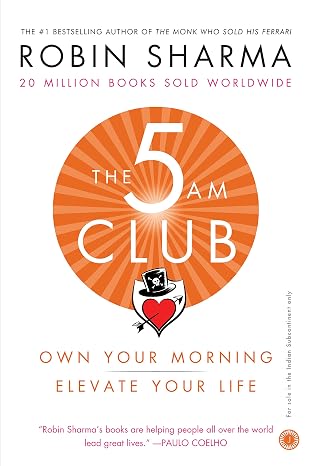
The 5 AM Club by Robin Sharma
This book gave me the framework to turn early mornings from torture into my most productive hours.
$15.99
Check Price on Amazon →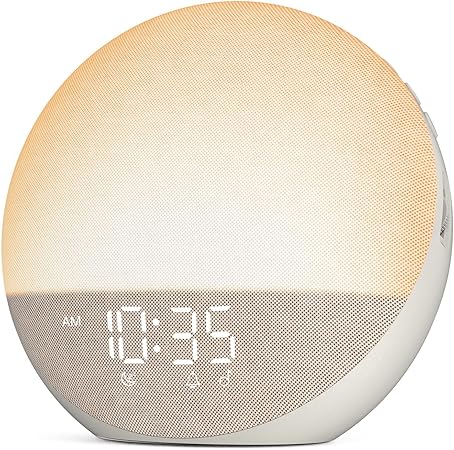
Hatch Restore 2 Sunrise Alarm Clock
I bought this after failing at 5 AM wake-ups for three straight weeks. The gradual sunrise simulation starts 30 minutes before your alarm,
$87.00
Check Price on Amazon →"I used to think discipline was something you either had or didn't. After 60 days of tracking in PixMixy, I realize it's something you build. I started with 2 habits - drink water and make my bed. Now I track 7 daily habits and hit 90%+ most weeks. The compound effect is real."
"The moment I stopped waiting to 'feel motivated' and started treating my habits as non-negotiable appointments, everything changed. PixMixy made that easy because I could see my streaks - and breaking a 34-day streak felt worse than doing 30 minutes of something I didn't want to do."
"My therapist recommended I track my daily habits to manage anxiety. I chose PixMixy because of its simplicity. Three months later, my exercise consistency went from 2x/week to 6x/week, and my therapist says my progress has accelerated significantly. Data-driven self-improvement is not a gimmick - it works."
"Discipline is choosing between what you want now and what you want most." - Abraham Lincoln
Your 7-Day Discipline Kickstart
You don't need a 90-day plan. You need 7 days. Here's exactly how to start:
- Pick 2-3 small habits that take less than 5 minutes each (make bed, drink water, 10-minute walk)
- Track them daily in PixMixy. Not in your head. Not in a notebook. In the app where you'll see your streak staring back at you.
- Remove one temptation from your environment today (move your phone charger, delete one social app, put junk food out of sight)
- Set a non-negotiable wake-up time. Not aspirational. Realistic. If you currently wake at 8, set it for 7:30. Not 5 AM. Not yet.
- Review your data on Day 7. Look at your completion rate. Celebrate anything above 60%. Adjust and repeat.
Discipline isn't about being hard on yourself. It's about building a system so reliable that the right choices become automatic. It's about showing up on the days you don't feel like it - especially those days - because that's where the real transformation happens.
If you're ready to go deeper, check out our guide on how long it actually takes to build a habit (spoiler: it's not 21 days), and learn why morning routines are the key to long-term success.
Discipline. Drive. Destiny. It starts with one checkbox. Today.
