
I Had No Idea How Much I Was Actually Making
Here's something embarrassing: I had a full-time job, a side gig, and occasional freelance work - and I couldn't tell you within $500 how much I actually earned last month. I thought I was doing okay. Turns out, after accounting for subscriptions, impulse purchases, and forgotten recurring charges, my net income was $1,200 less than I assumed.
That realization hit when I started using PixMixy's finance tracker. Not just logging expenses - but tracking everything: every income stream, every expense, every single day. Within one week, I had a clearer picture of my financial life than I'd had in the previous five years combined.
Why Most People Fail at Financial Tracking
Traditional budgeting apps ask you to set categories, define budgets, link bank accounts, and review everything at month-end. By then, the damage is done. You've already overspent, and the app becomes a guilt machine rather than a tool.
PixMixy takes a different approach: daily, manual logging that takes 30 seconds. It sounds old-school, but there's a reason it works. Research from the Journal of Consumer Psychology found that the physical act of recording an expense - actively typing the amount - creates a "pain of paying" effect that reduces impulsive spending by up to 25%. Automated bank-linked apps remove that friction entirely, which is exactly why they don't change behavior.
What PixMixy's Finance Tracker Actually Does
PixMixy's finance module isn't trying to be a banking app. It's a financial awareness system built for people who want to understand their money without drowning in complexity. Here's what makes it different:
Income and Expense Logging
Every transaction gets logged with a type (income or expense), amount, category, and optional note. It takes 10 seconds per entry. I log my coffee purchase while I'm still holding the cup. My freelance payment while the invoice notification is on my screen. The key is immediacy - the closer the logging is to the transaction, the more accurate your data becomes.
Weekly Earnings Dashboard
This is where PixMixy shines. At the end of every week, you get a clear breakdown:
- Total income - everything you earned that week, from all sources
- Total expenses - every dollar that left your pocket
- Net profit - the number that actually matters: what you kept
- Category breakdown - see exactly where your money went (food, transport, entertainment, essentials)
- Week-over-week comparison - are you improving or slipping?
The first time I saw my weekly dashboard, I discovered that Fridays were my most expensive day - averaging $67 in discretionary spending vs. $22 on Tuesdays. That single insight saved me $180/month once I started being intentional about Friday spending.
Monthly and Custom Period Analysis
Beyond weekly views, PixMixy lets you analyze any custom time period. Want to see how much you spent on food in Q2? How your income compared between March and June? Whether your net savings are trending up or down over the last 90 days? All of that is available with a few taps.
I use the monthly view for big-picture planning and the weekly view for real-time adjustments. Together, they create a financial feedback loop that's both strategic and tactical.
AI-Powered Expense Optimization
This is the feature that convinced me PixMixy is more than just a tracker. The AI analysis examines your spending patterns and provides personalized recommendations to optimize your finances:
- Spending anomaly detection: "Your food delivery spending was 40% higher this week than your 4-week average"
- Savings opportunities: "You have 3 subscriptions in the Entertainment category totaling $47/month - consider consolidating"
- Income optimization: "Your freelance income peaks on weeks when you log 15+ client interactions - consider increasing outreach"
- Trend warnings: "Your net savings rate has declined for 3 consecutive weeks - review discretionary categories"
The AI doesn't just tell you what happened - it tells you what to do about it. And because it's based on your actual data, not generic advice, the recommendations are immediately actionable.
"PixMixy's AI told me I was spending $340/month on 'convenience' - food delivery, ride-shares, express shipping. I didn't realize it was that much. Switching to meal prep and public transit saved me almost $4,000 in a year."
"What gets measured gets managed. What gets managed gets improved." - Peter Drucker
Real Results: My First 12 Weeks With the Finance Tracker
Here's exactly what happened when I committed to daily financial tracking in PixMixy:
Weeks 1-2: The Audit Phase
I just logged everything without trying to change anything. The goal was pure awareness. What I found shocked me:
- I was spending $89/week on coffee and snacks (I'd guessed $30)
- My "free" gym membership had $45/month in add-on charges I'd never noticed
- I had 7 active subscriptions and was only using 3 regularly
- My highest expense category wasn't rent - it was food (eating out + delivery + groceries combined)
Weeks 3-4: The Quick Wins
Armed with data, I made painless cuts: cancelled 4 subscriptions ($62/month saved), switched to brewing coffee at home 5 days a week ($240/month saved), and set a $40/week food delivery cap. None of these changes felt like sacrifice because I could see the exact trade-off in my weekly dashboard.
Weeks 5-8: Income Focus
With expenses under control, I shifted attention to income. PixMixy's earning analytics showed me my freelance income was inconsistent - great some weeks, zero others. The data revealed a pattern: my best-earning weeks all started with Monday outreach sessions. So I made "Send 5 pitches on Monday" a tracked habit. My freelance income increased 35% in the next month.
Weeks 9-12: The Compound Effect
By week 12, my monthly net savings had increased by $1,420 compared to pre-tracking. Not through extreme frugality - through awareness and small, data-driven adjustments. The AI insights got sharper over time because it had more data to work with. It started identifying seasonal patterns and suggesting proactive adjustments.
"I'm a freelancer with 3 income streams. Before PixMixy, I had no idea which client was actually profitable after accounting for my time. The earnings analytics broke it down per week and I realized one client was paying me below minimum wage when I factored in revision time. Dropped them and took on a better client instead."
The Features That Make PixMixy Different From Every Other Finance App
1. Earnings-First Perspective
Most finance apps focus exclusively on spending. PixMixy tracks both sides: how much comes in and how much goes out. The Earnings Analytics dashboard shows your total income, total expenses, and net profit side by side. This matters because financial health isn't just about spending less - it's about the gap between income and expenses. Sometimes the best move isn't cutting costs; it's increasing earnings.
2. Time-Flexible Analysis
View your finances through any lens: this week, last week, this month, last month, this quarter, this year, or any custom date range. The flexibility means you can zoom in for tactical decisions ("Did I overspend this week?") or zoom out for strategic ones ("How has my savings rate trended over 6 months?").
3. Expense Category Intelligence
PixMixy doesn't just show you totals - it breaks down your expenses by category and shows you which categories are growing, shrinking, or spiking. The top expenses section highlights your biggest spending areas so you know exactly where to focus your optimization efforts.
4. AI Advisor That Learns You
The AI analysis isn't generic. It learns your patterns over time and provides increasingly specific recommendations. After a month of data, it can tell you things like: "Your utility costs are 22% above average for your area - consider an energy audit" or "Your income is 15% higher in months where you exercise 4+ times per week."

The Psychology of Money by Morgan Housel
This book changed how I think about wealth-building. Housel argues that financial success isn't about intelligence - it's about behavior.
$15.69
Check Price on AmazonHow to Get Started: The 5-Minute Setup
Here's the exact process to start tracking your finances in PixMixy today:
- Log in to PixMixy and navigate to the Finance section
- Add your income sources: salary, freelance, side hustles, investments - whatever comes in
- Start logging expenses immediately. Don't wait for Monday. Don't wait for the 1st. Start right now with your last 3 purchases
- Check your weekly dashboard every Sunday evening. Just look at the numbers - no action needed in week one
- Review the AI recommendations after 2 weeks of data. Implement one suggestion per week
That's it. No complicated setup. No bank account linking. No budget templates. Just honest, daily tracking that builds financial clarity one entry at a time.
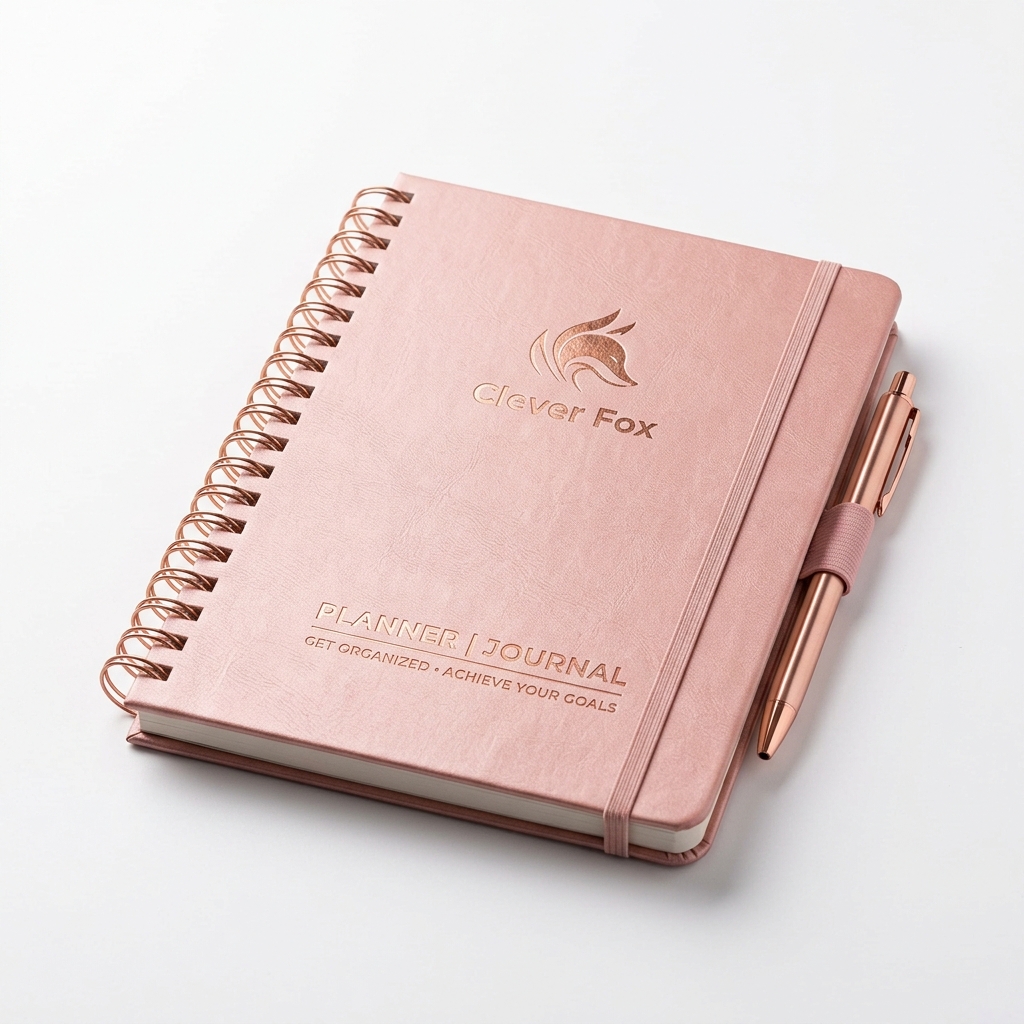
Clever Fox Budget Planner - Monthly Financial Organizer
I use this physical planner alongside PixMixy for monthly financial goal-setting.
$25.99
Check Price on AmazonCommon Questions About Financial Tracking
"Isn't manual tracking tedious?"
It takes 10 seconds per transaction. Most people make 5-8 transactions per day. That's about 1 minute of total effort for a complete picture of your financial life. Compare that to the hours you spend wondering where your money went at month-end.
"What if I forget to log something?"
You will. Everyone does in the first week. PixMixy's daily tracking habit creates a rhythm - most users report automatic logging behavior by day 10. And if you miss a purchase, add it later. Imperfect data is infinitely better than no data.
"I already know I need to spend less. Why track?"
"Spend less" is not a strategy. It's like saying "weigh less" without knowing what you currently eat. PixMixy shows you exactly where to spend less, how much to cut, and what the impact will be. Specificity is the difference between good intentions and real results.
"I used to think tracking finances was for accountants. After 30 days with PixMixy, I found $380/month in spending I didn't even remember. The AI then ranked my expenses by 'necessity score' and showed me exactly which ones to cut. It's like having a financial advisor in your pocket."
"Do not save what is left after spending, but spend what is left after saving." - Warren Buffett
Your Money Story Starts Today
Financial freedom doesn't start with a big raise or a lucky break. It starts with knowing your numbers. Every wealthy person, every successful business, every thriving household has one thing in common: they track their money religiously.
PixMixy makes that tracking effortless, insightful, and - dare I say - satisfying. There's a deep confidence that comes from opening your weekly dashboard and knowing, down to the dollar, exactly where you stand.
If you haven't started yet, pair the finance tracker with the daily financial discipline system and the PixMixy Method for 30 days. Your bank account - and your peace of mind - will thank you.
"Six months of PixMixy financial tracking and I've saved more than the previous two years combined. Not because I earn more - because I finally understand where every dollar goes. The weekly earnings report is the first thing I check every Monday."
