Your Focus Is Not Broken. It Has Been Trained.
If you cannot read a page without reaching for your phone, you are not lazy and you do not have a character flaw. You have a nervous system that has been trained, thousands of times a day, to expect a small hit of novelty every few seconds. Every notification, every swipe, every autoplay is a tiny reward. Your brain learned the lesson perfectly: stillness is boredom, and boredom is bad.
A "dopamine detox" is the deliberate practice of removing those cheap, high-frequency rewards for a period of time so your baseline resets. The name is scientifically sloppy (you are not draining dopamine, and you would not want to), but the underlying idea is real and useful: when you stop over-stimulating the reward system, ordinary activities start to feel rewarding again.
What Is a Dopamine Detox, Really?
Dopamine is a neurotransmitter involved in motivation and anticipation. It is not the "pleasure chemical" people think it is; it is closer to the "go get it" chemical. Fast digital rewards spike anticipation constantly, which raises the bar for what feels worth doing. Reading, deep work, exercise, and real conversation all deliver dopamine too, just slower and smaller. Next to an infinite scroll, they feel flat.
A dopamine detox does not lower your dopamine. It lowers the frequency and intensity of artificial rewards so slower rewards can compete again. Think of it like resetting your palate: after a week without hyper-sweetened food, an apple tastes sweet. After a week without compulsive scrolling, a book holds your attention.
You do not need more discipline. You need less stimulation competing with the things that matter.
The 7-Day Dopamine Detox Plan
Forget the extreme versions where people sit in a blank room for 24 hours. That is theater, and it does not build a lasting habit. This is a graded 7-day plan. Each day adds one constraint and one replacement. You are not just removing a bad input; you are installing a better one in the same slot.
Day 1: Audit, Do Not Change
Change nothing. Just watch. Check your phone's screen-time report and write the top three apps and their hours. Notice the moments you reach for your phone: waking up, in line, mid-task, on the toilet, before sleep. Awareness is the entire job today. You cannot reset a pattern you have never actually seen.
Day 2: Kill the First and Last Hour
No screens in the first hour after waking and the last hour before sleep. These two hours set the tone for your entire day and the quality of your sleep. Replace the morning hour with three tracked habits (water, sunlight, a plan for the day) and the evening hour with reading or a walk. The bookends matter more than the middle.
Day 3: Turn Off the Slot Machine
Disable all non-essential notifications. Not "important only," off. A notification is an interruption someone else scheduled for you. Move social apps off the home screen into a folder on the last page. Friction is your friend: every extra tap is a moment to ask, "do I actually want this?"
Day 4: One Thing at a Time
Today you practice single-tasking. No podcast while working. No second screen during a show. No scrolling while eating. Monotasking feels uncomfortable at first, which is exactly the point: that discomfort is the withdrawal from constant input. Log one 25-minute focus block with zero task-switching.
Day 5: A Boring Commute
Whatever your "dead time" is (commute, chores, waiting), do it with no input. No podcast, no music, no scrolling. Let your mind be unoccupied. This is where insight and planning happen. Most people have not been bored in years, and boredom is where creativity restarts.
Day 6: A Long Deep-Work Block
Schedule one 90-minute block of your most important work with your phone in another room. This is the graduation exam. If Days 1 to 5 worked, 90 minutes of focus will feel possible instead of impossible. Pair it with the technique in our guide on time blocking for deep work to give the block a clear start and end.
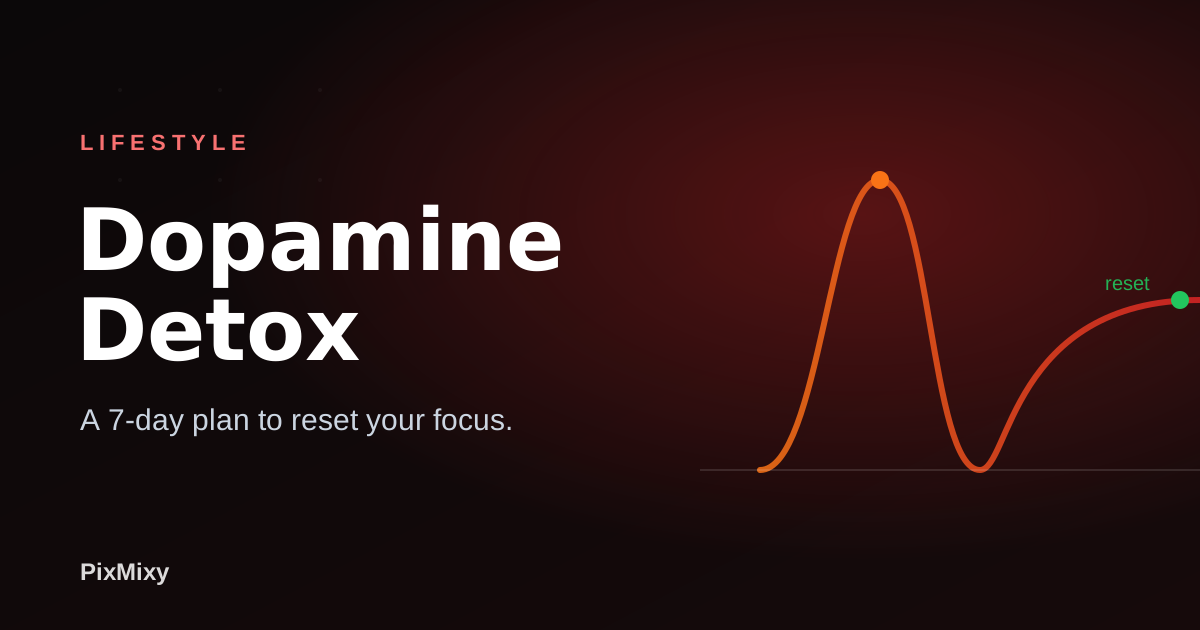
The goal is not zero dopamine. It is a lower baseline where slow rewards feel rewarding again.
Day 7: Design Your New Defaults
Today you decide what stays. Nobody lives notification-free forever, and you should not try. Pick the three rules that helped most (for most people it is the two screen-free hours, notifications off, and single-tasking) and make them permanent. A detox is temporary; new defaults are what actually change your life.
How to Make It Stick After Day 7
The reset is easy. The maintenance is the real work, and it is where a tracker earns its place. Add your three kept rules to your PixMixy habit tracker and check them off daily. The visible streak becomes the new reward, replacing the scroll. When I did this, my "phone before bed" habit went from 7 nights a week to 1, and my sleep tracker showed 38 more minutes of sleep on average within two weeks.
Watch for the relapse pattern too. Reinstalling one app "just for a minute" is how the old baseline creeps back. The point is not permanent deprivation; it is staying the pilot instead of the passenger. If you want a structured way to rebuild focus over a month, the 30-day habit challenge blueprint pairs perfectly with this reset.
"I thought I had ADHD. Turns out I had 47 apps sending me notifications. Two screen-free hours and a folder on my last home screen did more for my focus than any productivity app ever did. Day 6 was the first time in a year I read for 90 minutes straight."
The Gear That Made My Detox Stick
You cannot buy focus, but you can remove the friction that breaks it. Two purchases did more for my reset than any app: one killed the phone-as-alarm habit, the other made deep work quiet enough to actually happen.
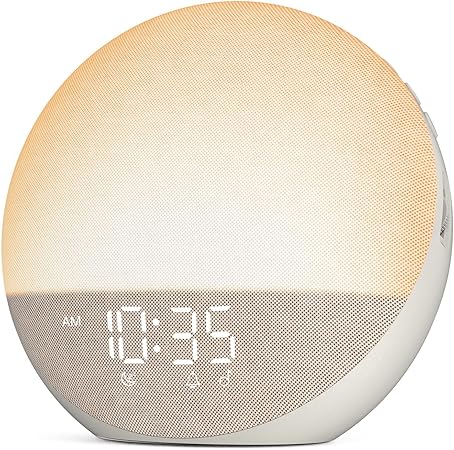
Hatch Restore 2 Sunrise Alarm Clock
The single reason most people grab their phone first thing is that it is their alarm. A dedicated sunrise alarm breaks that loop and protects your screen-free first hour.
$87.00
Check Price on Amazon →
Sony WH-1000XM5 Noise-Cancelling Headphones
Silence is the fastest on-ramp to focus. These make the Day 6 deep-work block possible anywhere, without a podcast running in the background to keep the dopamine drip alive.
$278.00
Check Price on Amazon →Make the reset permanent with PixMixy
A detox is temporary; new defaults change your life. Track your screen-free hours, focus blocks, and daily habits in PixMixy and watch the streak replace the scroll.
Start with PixMixy → iOS, Android & Web · One subscription unlocks every featureThe Honest Takeaway
A dopamine detox will not fix your life in a week, and anyone promising that is selling something. What it does is quieter and more valuable: it shows you that your attention is trainable, that boredom is survivable, and that the slow rewards were there the whole time, just drowned out. Start with Day 1 tomorrow. Do not change anything. Just watch. That alone will surprise you.
