The Week-Two Graveyard: Why Can't I Stick to Habits?
I want you to picture something. It's a Monday morning. You're fired up. New workout plan printed. Fresh journal on the nightstand. Meal prep containers stacked in the fridge. You post a story: "New era starts NOW." And for about 11 days, you actually believe it.
Then Day 12 hits. The alarm goes off at 6 AM and your body says no. Not "maybe later" - just... no. You skip the workout. Tell yourself you'll go after work. You don't. The journal collects dust. The meal prep containers hold leftover pizza. By Day 16, you've stopped mentioning the "new era" entirely. Sound familiar?
I've been there more times than I want to admit. And if you're reading this asking yourself "why can't I stick to habits?" - you're not lazy, broken, or lacking willpower. You're hitting a very specific, very predictable wall that almost everyone hits. The good news: once you understand why it happens, you can build a bridge right over it.
The Psychology of Quitting: What Happens Around Day 10
Here's what nobody tells you about starting a new habit: the first week is basically a freebie. Your brain is flooded with novelty. Everything feels exciting. The new running shoes, the fresh app interface, the satisfaction of checking a box. Psychologist Phillippa Lally's research at University College London found that the early days of habit formation are driven almost entirely by conscious motivation, not automaticity. You're running on willpower, not wiring.
But willpower is a depletable resource. Roy Baumeister's ego depletion research showed that self-control draws from a limited daily pool. By the time you've forced yourself through 10 days of a behavior that isn't yet automatic, your motivational tank is running on fumes. The novelty has worn off, but the habit hasn't locked in. You're stuck in a gap between excitement and autopilot.
This is exactly why the "21 days to form a habit" myth is so dangerous. Lally's actual data showed the median time to automaticity was 66 days, with a range from 18 to 254 days depending on the complexity of the behavior. When people expect to feel automatic by Day 21 and still feel like they're grinding at Day 14, they assume something is wrong with them. Nothing is wrong. The timeline was wrong.
The Dopamine Dip: Why Excitement Always Fades
Let's talk brain chemistry for a second, because this is the piece that changed everything for me. When you start a new habit, your brain releases a surge of dopamine - not because the habit is rewarding, but because it's new. Dopamine responds to novelty and anticipation far more than to actual reward. This is why Day 1 of a gym routine feels incredible and Day 12 feels like dragging yourself through cement.
Neuroscientist Andrew Huberman explains it this way: dopamine creates the motivation to pursue, not the satisfaction of achieving. Once the pursuit becomes routine, the dopamine signal drops. Your brain essentially says, "We've done this before. Not interesting anymore." This isn't a character flaw. It's basic neuroscience. Every human brain does this with every repeated stimulus.
The people who push through the dopamine dip aren't tougher than you. They've built systems that don't rely on feeling motivated. They've shifted from "I want to do this" to "this is just what I do." And there are specific, practical ways to make that shift happen.
Environment Design: Make the Habit Easier Than Quitting
Here's a question that reframed everything for me: what if sticking to a habit had less to do with willpower and more to do with your living room layout?
James Clear talks about this extensively: every habit is preceded by a cue, and cues are environmental. If your running shoes are buried in the back of your closet, you've added 45 seconds of friction to getting out the door. That doesn't sound like much. But at 6 AM, when your willpower tank is empty, 45 seconds is the difference between running and rolling over.
When I started tracking habits with PixMixy, I noticed a pattern in my own data. The habits I stuck with had one thing in common: zero friction to start. My water intake habit worked because the bottle sat on my desk. My reading habit worked because the book sat on my pillow. My journaling habit failed for three months until I moved my journal from the drawer to the nightstand. Same habit. Same person. Different environment.
Practical steps you can implement today:
- Reduce start friction: Set out workout clothes the night before. Keep your habit tracker app on your home screen, not buried in a folder.
- Increase quit friction: Delete social media apps during your habit time. Put your phone in another room. Make the distraction harder than the habit.
- Use visual cues: Place your supplement bottle next to the coffee maker. Put your journal on your pillow. Leave your guitar on a stand, not in a case.
The Identity Shift: Stop Trying, Start Being
This might be the single most important section in this entire post. Read it twice if you need to.
There's a massive difference between "I'm trying to exercise" and "I'm someone who exercises." The first statement treats the habit as an external project you can quit. The second treats it as a fact about who you are. And your brain responds very differently to each framing.
Behavioral psychologist Benjamin Gardner's research on habit identity found that people who framed habits as part of their identity (rather than as goals) were significantly more likely to maintain them past the 30-day mark. The shift happens gradually: you run once, you're "someone who ran today." You run for two weeks, you're "a runner." Once the identity sticks, skipping feels like a violation of who you are, not just a missed task.
I used to say "I'm trying to track my expenses." Now I say "I'm someone who knows where every dollar goes." The behavior is the same: opening PixMixy every evening and logging my spending. But the framing completely changed my relationship with the habit. On the days I don't feel like logging, I'm not fighting laziness - I'm protecting my identity.
Tracking as Accountability: The Streak Effect
There's a reason every habit app shows you a streak counter. It works. When you can see that you've completed a habit 14 days in a row, breaking that streak carries real psychological weight. Researchers call it the "endowment effect" applied to behavior: once you own a streak, you value it more than you valued the individual days that built it.
Here's what my PixMixy habit grid taught me: I don't protect individual habits. I protect streaks. On Day 4 of a new habit, skipping feels easy because there's not much to lose. But on Day 14? Breaking a two-week streak feels like throwing away something I built. That emotional attachment is the entire point.
The data backs this up. A study published in the journal Health Psychology found that participants who used visual tracking (calendars, apps, charts) were 40% more likely to maintain a habit past 30 days compared to those who relied on memory alone. Seeing your progress isn't just motivating - it creates a form of social contract with yourself.
The "Never Miss Twice" Rule
This rule saved my habit practice, and I genuinely believe it's the most forgiving and sustainable principle in behavior change. I first heard it from James Clear, and the simplicity is what makes it powerful: you're allowed to miss one day. You're never allowed to miss two in a row.
Why does this work? Because perfectionism kills more habits than laziness ever will. The moment you miss a single day and think "well, I already broke the streak, might as well start over Monday," you've entered the all-or-nothing trap. And "nothing" usually wins.
Missing once is a stumble. Missing twice is a new pattern. When you commit to never missing twice, you give yourself permission to be human while maintaining a floor that prevents total collapse. I've missed individual days of journaling, hydration tracking, and meditation. But because I always bounced back the next day, none of those habits died. My PixMixy grid might have a gap here and there, but the overall pattern is consistent - and consistency beats perfection every single time.

Week 2 - the moment most people give up. But it doesn't have to be you.
Tools That Actually Help You Push Past Week Two
I'm not going to pretend willpower alone gets it done. The right tools reduce friction, create accountability, and give you data you can actually learn from. These two books fundamentally changed how I think about habits, and I recommend them to anyone stuck in the quit-restart cycle.
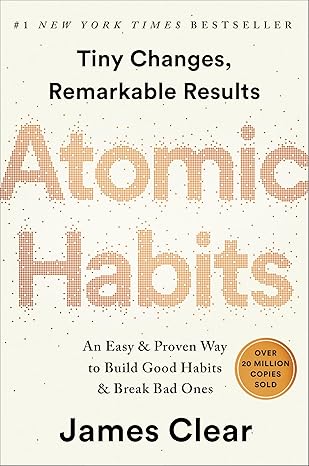
Atomic Habits by James Clear
This is the book that introduced me to the 1% improvement concept and the "never miss twice" rule. Clear's framework for habit stacking,
$16.99
Check Price on Amazon →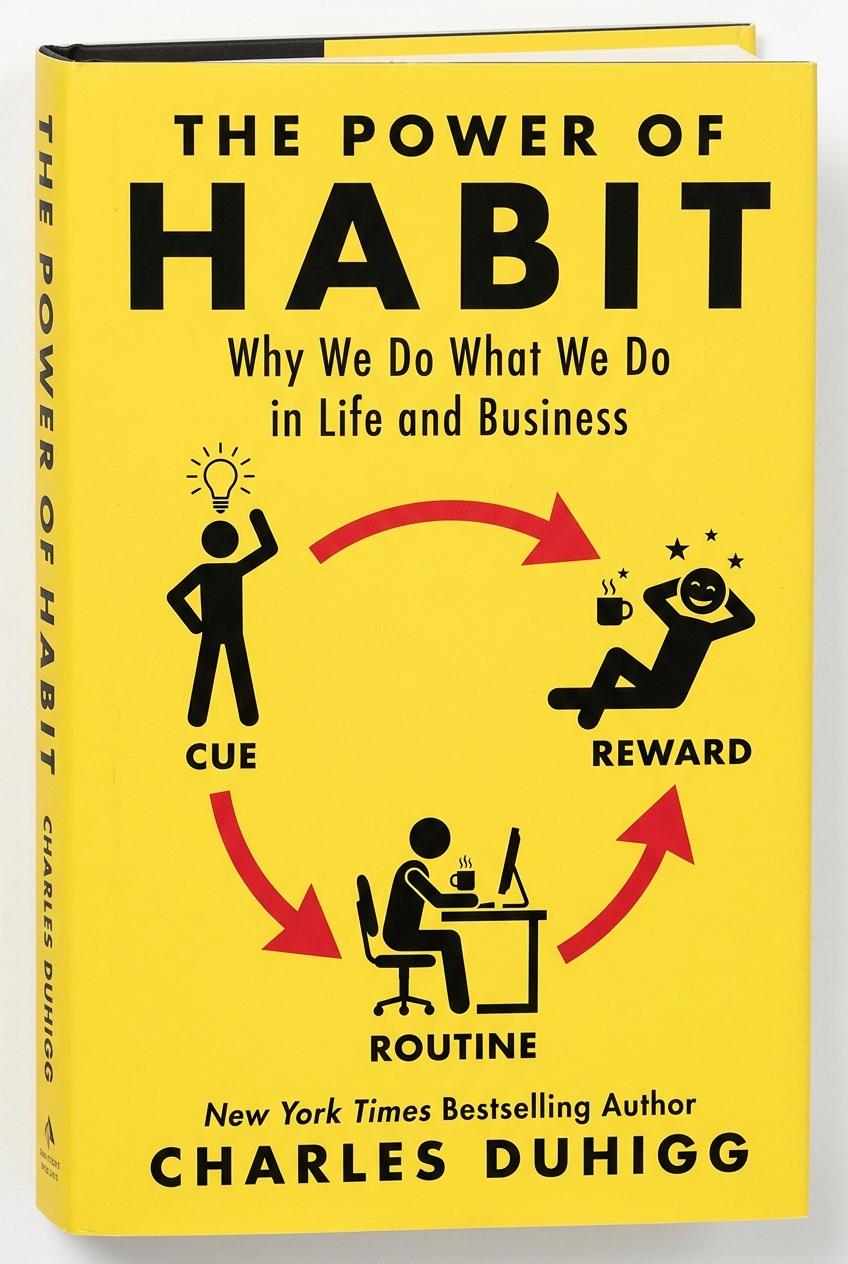
The Power of Habit by Charles Duhigg
Duhigg breaks down the habit loop (cue, routine, reward) with real-world examples from corporate turnarounds to addiction recovery.
$14.99
Check Price on Amazon →What Real People Say About Pushing Past the Dip
"I quit running three separate times before I tried the never-miss-twice approach. I'm on week 9 now, which is longer than all my previous attempts combined. The trick was letting myself have bad days without letting them become bad weeks."
"Moving my yoga mat from the closet to the living room floor was a stupidly simple change. But I went from practicing twice a week to five times a week. Environment design is real."
"I stopped saying 'I'm trying to eat healthy' and started saying 'I'm someone who fuels my body properly.' Sounds cheesy, but my PixMixy nutrition log went from 3 entries a week to daily. Identity shift is no joke."
Your Week-Two Survival Plan
If you're reading this and you're somewhere around Day 8, 10, or 12 of a new habit, here's your survival checklist. Do these five things before the dip hits:
- Reduce friction right now. Move whatever you need for your habit to the most visible, accessible spot in your home. If it takes more than 10 seconds to start, fix that.
- Reframe your identity. Stop saying "I'm trying to..." and start saying "I'm someone who..." Write it down. Put it on a sticky note where you'll see it daily.
- Track visually. Open PixMixy (or any tracker) and look at your streak. Let yourself feel the weight of what you've built. That feeling is your armor against the dip.
- Commit to never missing twice. Give yourself permission to skip one day without guilt. But make Day 2 non-negotiable. One skip is human. Two skips is a pattern.
- Expect the dip. Knowing that motivation will drop around Day 10-14 is half the battle. When it arrives, don't panic. Smile at it. Say "there you are." And do the habit anyway, even at 50% effort.
You're not failing at habits. You're just unprepared for the part where they stop being fun. Now you're prepared.
If you want to understand the full timeline of habit formation, read how long it actually takes to build a habit - the real science will surprise you. And if motivation is the bigger issue, here's a guide on how to build self-discipline when you have zero motivation. You've got this. Start tracking today.
